
Threat Intel
2026: The Year SOCs Go Autonomous with Agentic AI
By 2026 enterprises will shift from AI copilots to fully autonomous, agentic security operations centers that prioritize attacks, close response loops, and provide transparent, auditable reasoning—boosting triage speed and investigative focus.
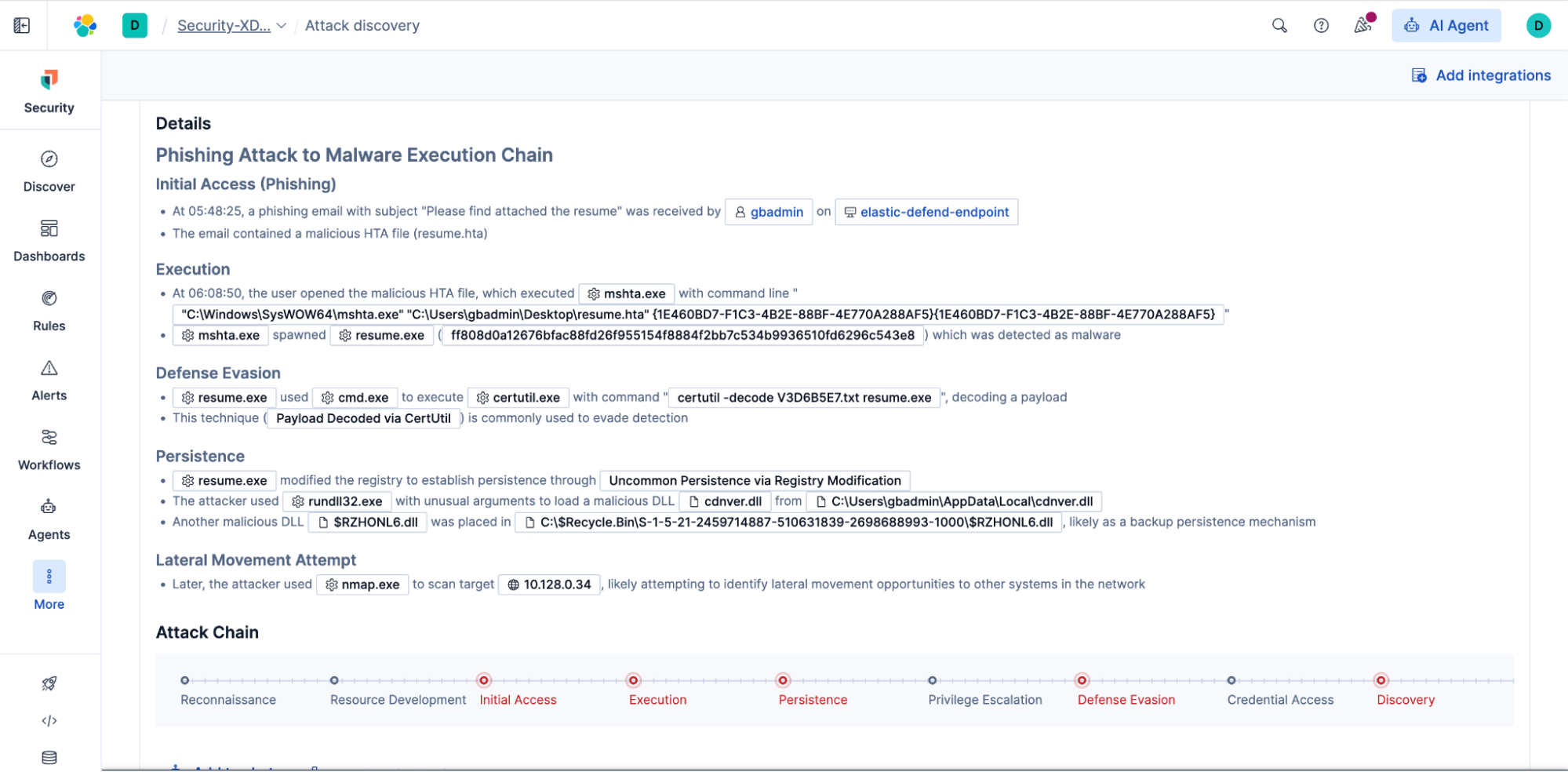
For the first time, security teams are moving beyond AI‑assisted tools into true autonomous operations. Agentic AI SOCs can plan, act, and adapt on their own, turning raw telemetry into actionable attack chains and executing containment at machine speed while still offering clear, evidence‑based explanations.
What Makes Agentic SOCs Different
- Prioritization – Agents sift through multi‑modal data and adversary intent to surface full attack narratives instead of isolated alerts.
- Closed‑Loop Response – Beyond detection, they trigger automated workflows that contain threats without human hand‑off.
- Transparency & Traceability – Every decision is documented with context and citations, letting analysts verify, trust, and override actions.
Why 2026 Is the Inflection Point
- Governance and architecture standards are maturing, giving enterprises a framework to move from pilots to production.
- The threat landscape is evolving toward stealthier, AI‑enhanced, multi‑stage attacks that outpace manual workflows.
- Ecosystem readiness—defenses against agent‑specific attacks are improving while demand for multi‑agent visibility and safe deployment grows.
Nearly two‑thirds of firms are testing AI agents, but fewer than a quarter have rolled them out. That gap signals a tipping point: 2026 will see rapid adoption, a shift that will shape the security industry through 2030.
Adopting an agentic AI SOC means faster triage, sharper investigations, and automated containment that scales with enterprise complexity—all while keeping analysts in control.
Related articles
CrowdStrike Launches Agentic Identity Provider to Secure AI Agents
CrowdStrike has unveiled its Agentic Identity Provider, a next‑generation identity framework that assigns a unique, verifiable identity to every AI agent deployed across an organization. By tying access rights to real‑time contextual signals, the solution enforces zero‑trust principles and tightens privileged‑access controls for autonomous agents. The move addresses growing concerns around the security of AI‑driven operations and aims to prevent misuse of AI tools while maintaining operational agility.
Read briefing
CrowdStrike Unveils the Agentic SOC: AI‑Powered Defense for the Modern Threat Landscape
CrowdStrike’s latest rollout redefines the SOC with a network of autonomous agents that learn, reason, and act on data owned by the customer. Leveraging on‑device AI for instant data classification, the platform now blocks supply‑chain attacks, streamlines incident response, and integrates next‑gen identity controls—all while keeping the human analyst in the loop.
Read briefing
CrowdStrike Unveils Agentic Identity Provider: Secure AI Agent Access in Real Time
CrowdStrike has introduced an Agentic Identity Provider that assigns a unique, trusted identity to every AI agent and enforces context‑aware access controls on the fly. By integrating OpenID, IDPro, and modern privileged‑access mechanisms, the platform tackles the rising risk of autonomous agents becoming attack vectors while keeping security teams in full control of who and what can act on the network.
Read briefing
CrowdStrike Launches $100K ‘Agents of Chaos’ AI Red‑Team Competition
CrowdStrike has rolled out Agents of Chaos, a $100,000 contest that forces defenders to craft AI‑powered defenses against advanced adversarial attacks. The challenge, part of the company’s agentic SOC vision, pits teams in a simulated battlefield where AI‑driven threat actors try to slip past detection while participants deploy machine‑learning‑augmented security controls. Winners earn the prize and a chance to embed their solutions into the Falcon platform.
Read briefing