
Advisories
ConnectWise Suspends Cloud Backup After Microsoft 365 Tenant Compromise
ConnectWise disabled seven application identities after attackers gained unauthorized access to Microsoft 365 tenants, suspending its Cloud Backup service. Defenders should verify affected identities, review backup status, audit logs, revoke tokens, and monitor for lateral movement.
What happened
On October 17, 2026, ConnectWise announced that seven of its application identities had been compromised by unknown threat actors. The breach allowed attackers to gain unauthorized access to Microsoft 365 tenants that were managed through ConnectWise’s Cloud Backup and Cloud Management services.
ConnectWise immediately disabled the affected identities and revoked the certificates that were used to authenticate connections to Microsoft 365 services. The company also suspended its Cloud Backup service across all users, preventing new backups from being created and blocking access to existing backup archives.
Who is affected
Any organization that uses ConnectWise’s Cloud Backup or Cloud Management solutions to protect Microsoft 365 workloads is potentially impacted. The identities that were disabled cover a range of services, including Exchange Online, SharePoint Online, Microsoft Teams, and the Microsoft Graph API.
Customers who had previously configured automated backups through ConnectWise will find that scheduled jobs have stopped running. While the backup data itself remains encrypted and isolated, administrators cannot restore from those archives until the service is re‑enabled.
Impact
The immediate effect is a loss of backup continuity for affected tenants. Without new backups, any data loss or ransomware event occurring after the suspension could leave customers with no recent recovery point.
Additionally, the compromise may have granted attackers elevated permissions within the Microsoft 365 tenants. Although ConnectWise states that no evidence of data exfiltration has been found, the potential for unauthorized changes to tenant configurations or user accounts remains.
Exposure
ConnectWise identified the breach on October 14, 2026, after detecting anomalous activity associated with the compromised identities. The attackers used these identities to authenticate to Microsoft 365 services, creating or modifying access tokens that could persist until they expire.
Because the compromised identities were linked to critical Microsoft 365 APIs, the threat actors had the ability to read, write, and delete data across Exchange, SharePoint, Teams, and other services. The exact scope of the damage is still under investigation, but the potential for widespread exposure is significant.
What to do
- Verify whether your organization is using any of the seven disabled ConnectWise identities listed in the announcement.
- Check the status of scheduled backups in the ConnectWise portal; if they have stopped, plan to restore from the most recent available archive.
- Review Microsoft 365 audit logs for any unusual sign‑ins or permission changes that coincide with the breach window.
- Revoke any long‑lived access tokens issued by the compromised identities and issue new tokens with the least privilege necessary.
- Enable multi‑factor authentication for all privileged accounts in your Microsoft 365 tenant.
- Consider temporarily disabling or re‑configuring any automated backup processes until ConnectWise confirms the service is secure.
- Contact ConnectWise support for a detailed list of affected tenants and any recommended remediation steps.
What to watch
ConnectWise is conducting a full review of the incident and has taken its SaaS Security and Cloud Management services offline. Keep an eye on official communications for updates on when the services will be restored and any changes to the affected identities.
Security teams should monitor for signs of lateral movement or data exfiltration within their Microsoft 365 environments, especially around the time of the breach. Stay alert for any new advisories or patches that address the underlying vulnerability that allowed the compromise.
Related articles
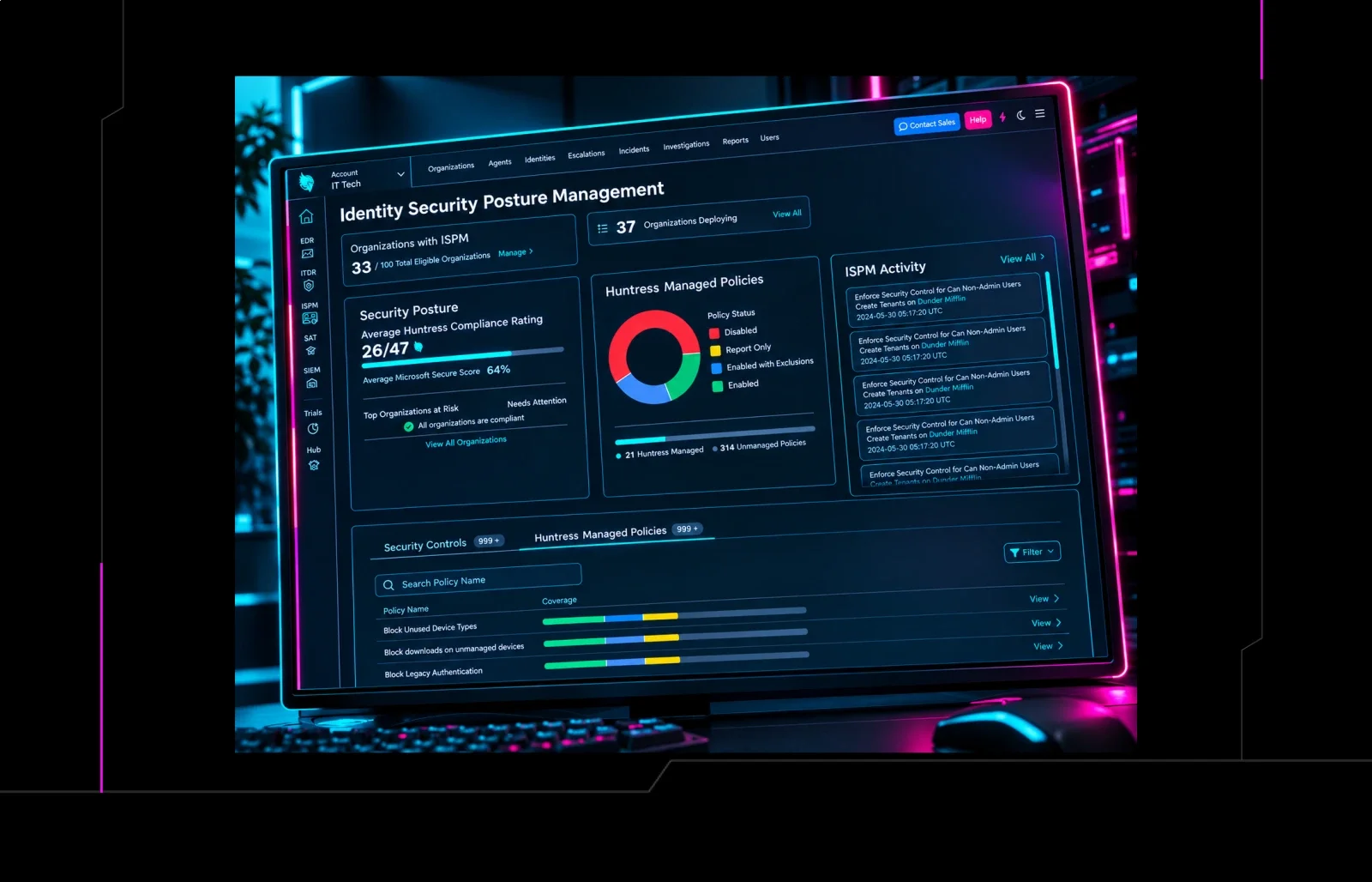
Huntress Introduces Dual Deployment Modes for Microsoft 365 Hardening
Huntress now offers Managed ISPM with two deployment options: fully automated hardening or granular control over Microsoft 365 settings. Security teams can choose the approach that fits their governance model. This update enables tighter control of identity and email defenses across Microsoft 365.
Read briefing
Google Pauses OSS Vulnerability Reward Program Amid Surge of Invalid Automated Submissions
Google has temporarily halted acceptance of product vulnerability reports in its Open Source Software Vulnerability Reward Program (OSS VRP) after a spike in automated, largely invalid submissions. The pause does not affect supply‑chain reports or existing submissions, and product vulnerabilities for Google Cloud may still be reported through the Cloud VRP.
Read briefing
UNC6671’s BlackFile Vishing Campaign Targets Microsoft 365 & Okta – Defenders’ Response
In early 2026, UNC6671 launched a vishing‑based extortion operation, leveraging adversary‑in‑the‑middle techniques to compromise SSO and bypass MFA on Microsoft 365 and Okta. The group uses Python and PowerShell scripts to exfiltrate data before demanding ransom. Defenders should monitor voice‑phishing indicators, enforce MFA, and scrutinize SSO logs for anomalous activity.
Read briefing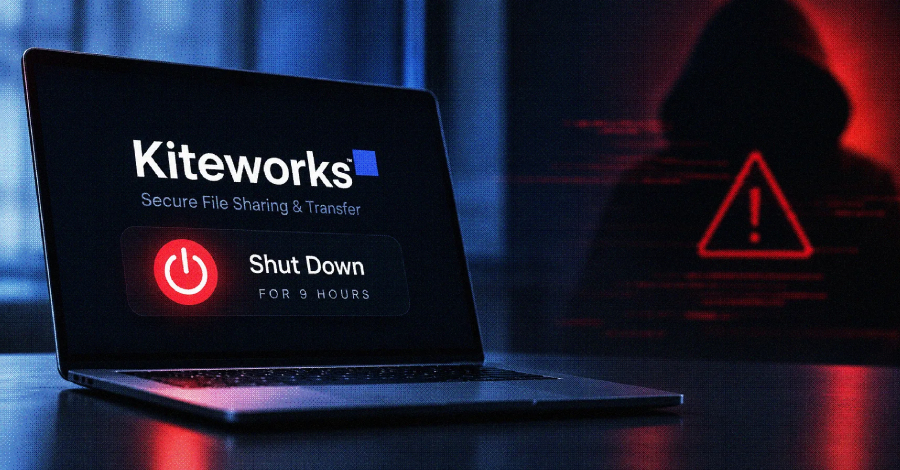
Kiteworks Advises 9‑Hour System Shutdown Amid Credible Threat Intelligence
Kiteworks (formerly Accellion) has instructed customers to shut down their systems for a nine‑hour window over the weekend after receiving credible threat intelligence that a threat actor may target its platform. The advisory is preventative; no compromise evidence has been found. Defenders should apply the latest 9.5.1 patch, observe the shutdown window, and monitor for anomalous activity.
Read briefing