
Advisories
GitHub Enforces 48‑Hour Expiry on npm Trusted Publishing to Curb Package Hijacking
GitHub has added a 48‑hour expiration window for unvalidated npm trusted publishing configurations, a response to a flaw that allowed attackers to publish malicious versions of other users’ packages without credential theft. The change affects over 1,500 npm packages that were previously vulnerable and requires developers to validate their trusted publisher bindings within two days. Defenders should review existing configurations, ensure timely validation, and tighten CI/CD token handling.
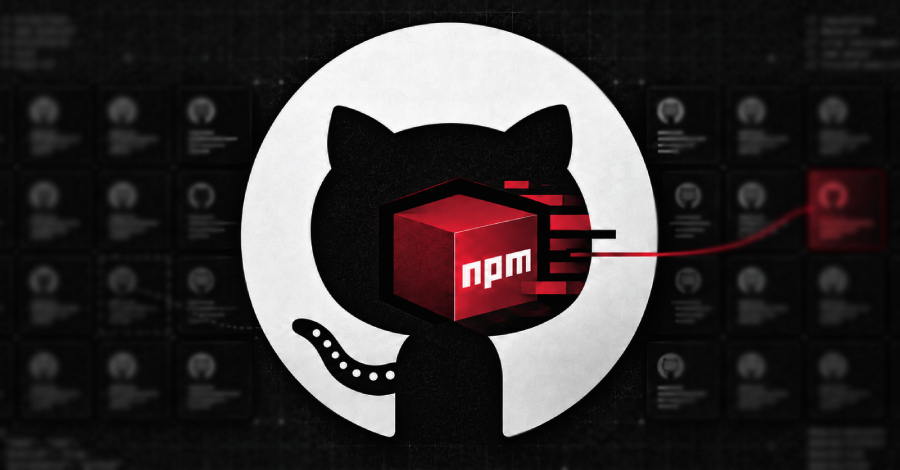
GitHub has introduced a 48‑hour expiration policy for unvalidated npm trusted publishing configurations. The update follows a Bloom Security discovery that attackers could hijack thousands of packages by pushing new releases without stealing credentials.
What Happened
Researchers found that an attacker could create a trusted publisher configuration for any repository and, if the configuration remained unvalidated for more than 48 hours, push a malicious package version. GitHub now automatically expires such bindings after two days unless a successful publish occurs first.
Impact
More than 1,500 npm packages were left exposed by the flaw. The vulnerability enabled supply‑chain attacks where a compromised package could be used to inject malicious code into downstream projects.
What to Do
- Audit all npm trusted publishing configurations in your organization.
- Ensure each configuration has completed a successful publish within 48 hours of creation.
- Re‑validate any bindings that have expired or are pending validation.
- Restrict trusted publishing tokens from GitHub Actions issue_comment events and enforce the pull_request_target restriction.
- Implement monitoring for unexpected new package releases from your repositories.
Mitigation Steps
“Your configuration becomes validated and exempt from expiry after its first successful publish.” – GitHub
To mitigate future risk, bind trusted publishers to the repository’s immutable identity, review ownership changes, and consider disabling trusted publishing for repositories that are frequently transferred or renamed.
Related articles

CrowdStrike Unveils Agentic Identity Provider: Secure AI Agent Access in Real Time
CrowdStrike has introduced an Agentic Identity Provider that assigns a unique, trusted identity to every AI agent and enforces context‑aware access controls on the fly. By integrating OpenID, IDPro, and modern privileged‑access mechanisms, the platform tackles the rising risk of autonomous agents becoming attack vectors while keeping security teams in full control of who and what can act on the network.
Read briefing
CrowdStrike Enhances Falcon Sensor to Block Malicious Open‑Source Packages at Download
CrowdStrike added real‑time supply‑chain attack protection to its Falcon endpoint sensor, blocking malicious open‑source packages during download. The update shields organizations that rely on npm, PyPI, or Maven from compromised libraries. Defenders should enable the feature and audit package sources.
Read briefing
CrowdStrike Unveils Agentic Identity Provider for AI-Driven Privileged Access
CrowdStrike has launched an Agentic Identity Provider that assigns trusted identities to AI agents and enforces access controls based on real‑time context. The solution extends modern privileged access management and is designed to integrate with Falcon XDR and other CrowdStrike products. Defenders should evaluate the new identity framework for AI workloads and update their privileged access policies accordingly.
Read briefing
Xcode 27.1 Released – Key Updates for SecOps and Build Environments
Apple has released Xcode 27.1 (27A9275) on October 15, 2026, bringing updated SDKs for iOS, macOS, tvOS, visionOS, and watchOS, along with new Swift language features and enhanced code‑signing support. Defenders should update CI pipelines, verify build environment integrity, and review any changes to entitlements or provisioning profiles.
Read briefing