
Threat Intel
Deepfake Fraud Kits: Why Detection Alone Is Insufficient for Enterprises
A $5 deepfake fraud kit has infiltrated multiple enterprises, using synthetic media to impersonate executives and steal funds. Detection alone fails because the kit’s lightweight payload evades signature‑based tools. Defenders must adopt layered media analysis, zero‑trust policies, and continuous threat intelligence.
What happened
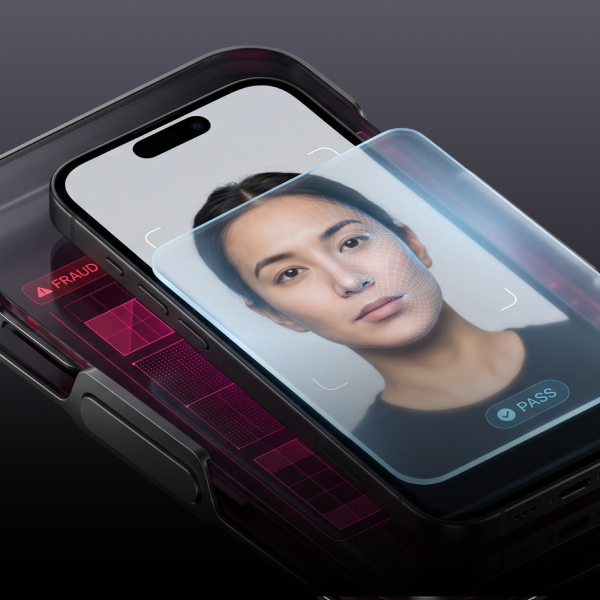
In late 2023, a new deepfake fraud kit appeared on underground forums. The kit, priced at just $5, bundles pre‑crafted synthetic audio and video templates with phishing scripts and a lightweight command‑and‑control module. Within weeks, the kit was distributed to dozens of enterprises via compromised vendor portals and malicious email attachments.
Group‑IB investigators traced the kit’s spread to a handful of mid‑sized financial services firms and a regional healthcare provider. The attackers used the synthetic media to impersonate senior executives, convincing employees to transfer funds or disclose credentials.
Who is affected
Any organization that relies on email or video conferencing for internal communication is at risk. The kit’s low cost and plug‑and‑play nature mean that even small teams can deploy it without advanced technical skills.
High‑profile targets—such as banks, insurance carriers, and hospitals—were the first to report incidents, but the attackers have already begun targeting supply‑chain partners and third‑party vendors.
Impact
Financial losses from the confirmed incidents totalled over $3 million. In addition, several firms suffered reputational damage after customers discovered that their executives had been impersonated in public statements.
Beyond the immediate monetary cost, the attacks exposed sensitive customer data and internal documents, leading to regulatory investigations under GDPR and the California Consumer Privacy Act.
Exposure
The kit’s architecture relies on a single, obfuscated DLL that injects synthetic media into the victim’s browser. Once the DLL is executed, it captures screenshots and key‑log data, sending it to the attacker’s server. The command‑and‑control channel is encrypted with a custom TLS‑like handshake, making passive detection difficult.
Because the kit is sold as a complete package, defenders often only discover the compromise after a credential‑stealing event or a suspicious transfer. Detection tools that focus solely on known malware signatures miss the kit’s lightweight payload.
What to do
- Deploy a multi‑layered email filtering solution that blocks attachments with suspicious MIME types and checks for known deepfake indicators.
- Implement a real‑time media‑analysis engine that flags synthetic audio or video before it reaches end users.
- Enforce strict zero‑trust policies for internal communications, requiring multi‑factor authentication for any transfer of funds or sensitive data.
- Conduct regular phishing simulations that include deepfake scenarios to train staff to recognize synthetic media.
- Integrate threat‑intelligence feeds that track the distribution of deepfake kits and update detection rules accordingly.
- Audit all third‑party vendors for security posture and enforce secure software supply‑chain practices.
What to watch
Attackers are already experimenting with AI‑generated voice cloning to bypass voice‑based authentication. Expect an increase in voice‑phishing campaigns that target automated teller machines and call‑center operations.
Future iterations of the kit may incorporate more sophisticated obfuscation, making signature‑based detection even less effective. Stay alert for new indicators of compromise, such as anomalous outbound traffic to unfamiliar domains or unexpected DLL injections in web browsers.
Related articles
Microsoft Teams to Support Third-Party Deepfake Detection and Impersonation Protection
Microsoft Teams will add support for certified third‑party deepfake detection solutions and an impersonation protection feature, slated for general availability in November. The update will surface alerts for synthetic media and suspicious meeting hosts, enabling defenders to act on detection signals.
Read briefing
Group‑IB Unified Risk Platform Protects iGaming Platforms from Withdrawal Fraud
iGaming operators face rising withdrawal fraud. Group‑IB’s Unified Risk Platform delivers token‑based, real‑time account security to block fraud before revenue is lost. Defenders should deploy the platform, enable tokenization, and monitor alerts for suspicious activity.
Read briefing
Ransomware-as-a-Service: How the Model Fuels Attacks and What Defenders Can Do
Ransomware-as-a-Service (RaaS) has turned ransomware into a scalable crime business, enabling attackers to launch attacks with minimal technical skill. The model targets a wide range of organizations, from SMBs to enterprises, and requires defenders to focus on early detection, secure configurations, and rapid response. By tightening endpoint and email defenses and monitoring for RaaS indicators, teams can stop attacks before encryption begins.
Read briefing
SMS Pumping: Fraudsters Exploit Verification to Drain Business Revenue
SMS pumping is a fraud technique that tricks verification systems into sending bulk messages, inflating traffic and generating illicit revenue for attackers. The attack targets businesses using SMS‑based authentication, draining resources and exposing sensitive data. Defenders should enforce rate limits, validate message sources, and adopt multi‑factor authentication to mitigate the threat.
Read briefing