
Threat Intel
Egregor Ransomware: Recent TTPs and Defensive Actions
Egregor ransomware operators have intensified attacks, leveraging Windows PowerShell and remote desktop protocols to spread across networks. The latest campaigns target unpatched systems and use double‑extortion tactics. Defenders should harden RDP, enforce least‑privilege, and monitor for anomalous PowerShell activity.

Egregor ransomware has surged in activity, with operators employing a consistent set of tactics, techniques, and procedures (TTPs) to infiltrate and encrypt corporate networks.
What Happened
Recent campaigns show attackers using malicious PowerShell scripts delivered via spear‑phishing or compromised web portals. Once inside, they pivot through RDP and SMB shares, escalating privileges and encrypting files across domain‑joined machines.
Impact
Organizations with outdated Windows versions or exposed RDP endpoints are most vulnerable. The ransomware not only encrypts data but also exfiltrates backups, threatening to release them unless a ransom is paid.
TTP Overview
- Initial Access: Phishing emails, compromised websites, or credential theft.
- Execution: PowerShell scripts, remote desktop exploitation.
- Privilege Escalation: Abuse of local admin accounts, exploitation of SMB vulnerabilities.
- Persistence: Scheduled tasks, registry run keys.
- Data Exfiltration: Compress and transfer encrypted backups to external servers.
What to Do
- Block inbound RDP traffic unless absolutely required; enforce MFA on all remote access.
- Keep Windows and all software fully patched; apply the latest security updates.
- Deploy endpoint detection and response (EDR) that flags suspicious PowerShell usage.
- Segment networks and limit lateral movement; enforce least‑privilege for administrative accounts.
- Regularly backup critical data to offline or immutable storage and test restore procedures.
Related vulnerabilities

Hancitor‑Driven Cuba Ransomware: Kill Chain, TTPs, and Mitigations
Hancitor botnet is now used to deliver Cuba ransomware, exploiting Windows vulnerabilities and phishing. The attack chain includes credential theft, lateral movement, and data exfiltration. Defenders should harden endpoints, block known command‑and‑control domains, and monitor for ransomware indicators.
Read briefing
Mysterious Team Bangladesh: Global Hacktivist Threat Assessment
A new analysis from Group‑IB details the operational footprint of the Mysterious Team Bangladesh, a hacktivist group with worldwide reach. The briefing outlines their tactics, potential targets, and recommended defensive actions for SecOps teams.
Read briefing
DarkPhoenix Ransomware Exploits Phishing & RDP to Target Industrial Control Systems
A new ransomware campaign, DarkPhoenix, is leveraging spear‑phishing emails with malicious attachments and exploiting unpatched Remote Desktop Protocol vulnerabilities to compromise industrial control systems. Affected organizations include manufacturing plants, water treatment facilities, and critical infrastructure operators. Immediate actions: block malicious domains, patch RDP, enforce MFA, and isolate affected networks.
Read briefing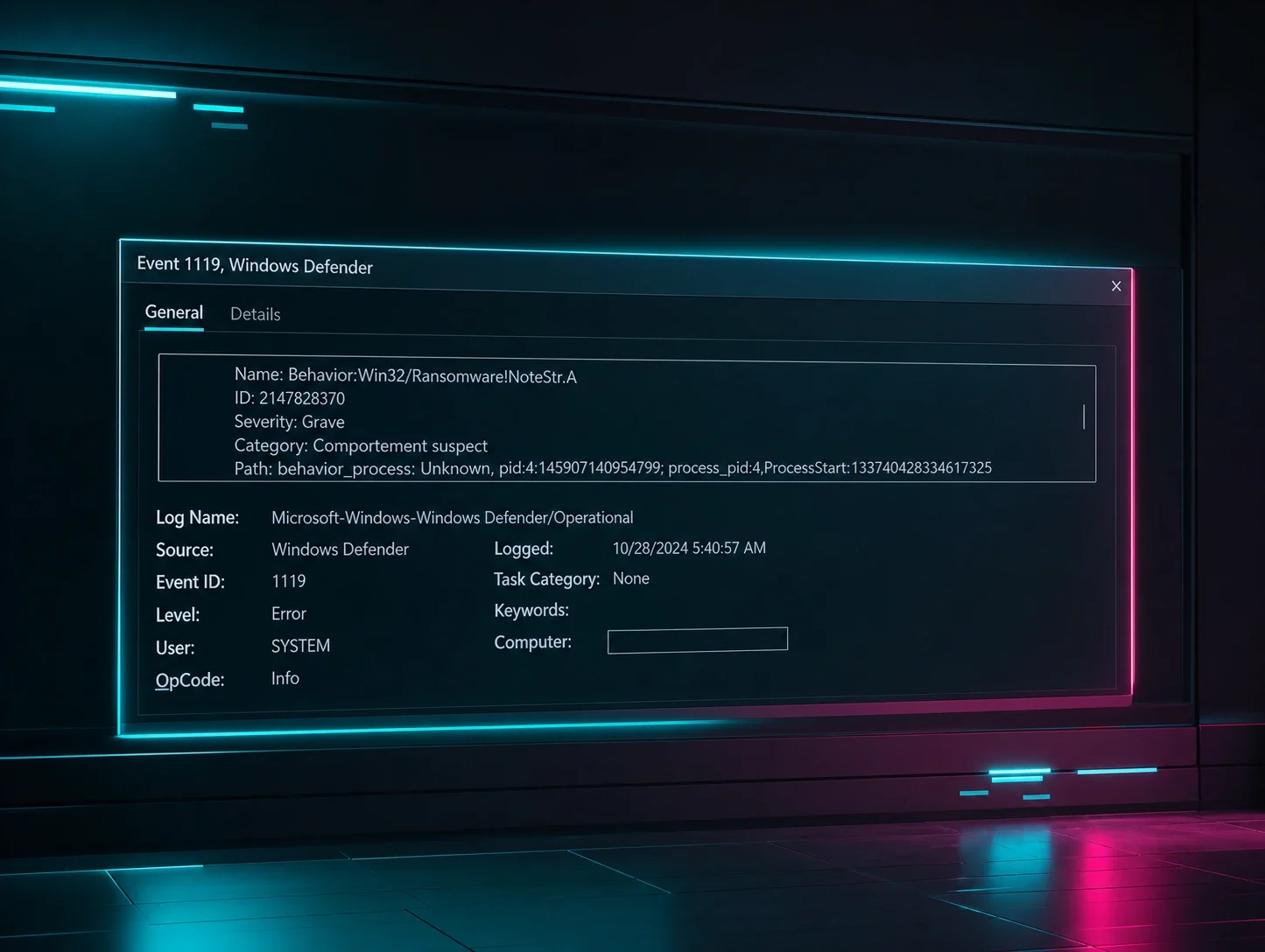
Akira, ReadText34, and INC Ransomware Target SafePa Payments – Immediate Defense Steps
Huntress observed Akira ransomware affiliates, ReadText34, and INC ransomware exploiting the SafePa payment platform. The attacks involve credential theft and ransomware deployment, impacting organizations that use SafePa for transactions. Defenders should audit payment logs, enforce MFA, isolate compromised endpoints, and apply the latest patches.
Read briefing