
Cybersecurity
Unified Security for Multi‑Campus Universities: From Siloed to Shared Defense
Higher‑education systems confront a surge in attacks and overlapping compliance mandates, yet campus‑level security remains fragmented. Treating security as a shared capability—leveraging federated architecture and a central platform—gives end‑to‑end visibility, coordinated response, and efficient compliance.

What Happened
University systems are facing a higher frequency of attacks across their distributed campuses while each campus maintains its own security posture. The fragmented approach hampers intelligence sharing and slows coordinated response.
Impact
- Increased risk of data exposure across FERPA, GLBA, HIPAA, and CMMC‑eligible assets.
- Compliance reporting becomes complex when incidents span multiple campuses.
- Resource duplication and delayed containment due to siloed processes.
What to Do
- Adopt a federated security architecture that mirrors the university’s governance model.
- Deploy a central platform with multi‑tenancy to maintain campus autonomy while providing unified visibility.
- Standardize incident‑response playbooks and share threat intel across campuses.
- Map compliance obligations to campus‑specific data sets and automate reporting.
Implementation Tips
- Use Rapid7 Command Platform’s multi‑tenant capabilities to isolate campus data yet aggregate alerts.
- Configure role‑based dashboards so campus teams see only relevant data but can flag cross‑campus threats.
- Establish a central governance council that reviews alerts, coordinates containment, and updates policies.
Next Steps
Start by conducting a security architecture audit to identify silo boundaries, then pilot a shared dashboard for a subset of campuses before scaling organization‑wide.
Related articles
CrowdStrike Expands Federal SOC Modernization via CISA-Funded SIEMaaS
CrowdStrike’s Falcon Next‑Gen SIEM has been added to CISA’s SIEMaaS stack, giving eligible federal agencies a funded route to upgrade their SOCs through the CDM DEFEND F shared service. The integration enables agencies to ingest, correlate, and act on security telemetry at scale while leveraging CrowdStrike’s detection engine. Defenders should review eligibility, apply for funding, and integrate the SIEM into their existing Falcon platform.
Read briefing
2026 Cybersecurity Reset: How to Rebuild Resilience with Unified Risk Platforms
Security teams must adapt to AI‑driven attacks, supply‑chain threats, and cloud misconfigurations. A Unified Risk Platform, integrated XDR, and real‑time threat intel can close visibility gaps and reduce dwell time. Follow these steps to align strategy with emerging risks.
Read briefing
Security Culture: The Missing Layer in Cyber Defense
Technology alone cannot stop attacks. A recent Group‑IB report shows that organizations with strong security culture reduce breach risk by up to 70%. SecOps teams should focus on awareness training, behavioral change programs, and embedding security into daily processes. The following briefing outlines concrete steps defenders can take.
Read briefing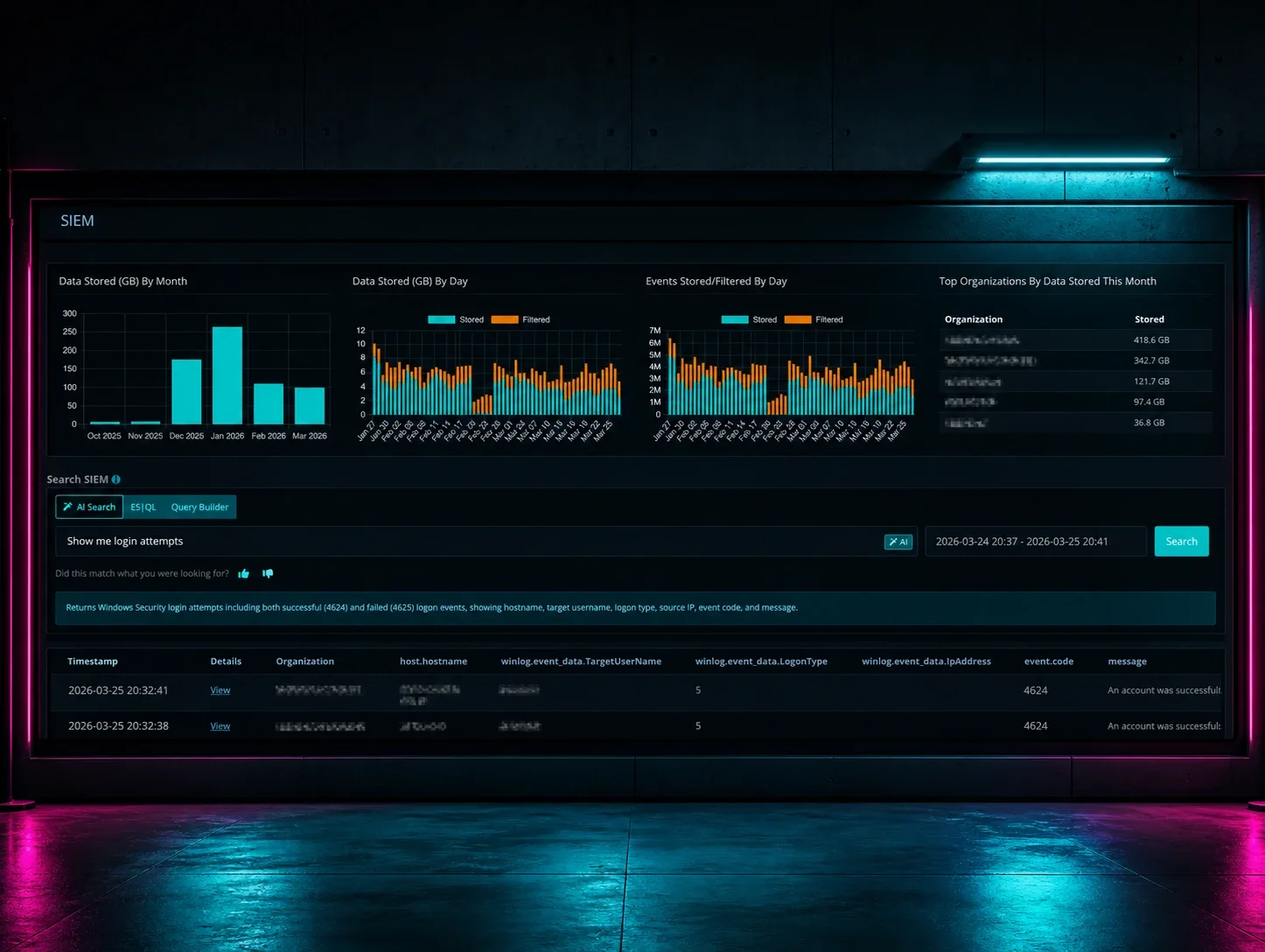
Huntress Platform One: Unified Managed Security Platform for Endpoints, Identity, and Operations
Huntress has introduced Platform One, a single-dashboard managed security solution that combines endpoint protection, identity resilience, and operational readiness. The platform offers Managed EDR, Managed SIEM, Managed ITDR, and AI-driven investigation with Athena Engine. Defenders should evaluate integration with existing tools, enable managed services, and leverage the unified view for faster threat detection.
Read briefing