
Cybersecurity
2026 Cybersecurity Reset: How to Rebuild Resilience with Unified Risk Platforms
Security teams must adapt to AI‑driven attacks, supply‑chain threats, and cloud misconfigurations. A Unified Risk Platform, integrated XDR, and real‑time threat intel can close visibility gaps and reduce dwell time. Follow these steps to align strategy with emerging risks.

What Happened
In 2026, the threat landscape has evolved beyond traditional malware and phishing. Attackers now leverage AI‑driven tactics, supply‑chain compromises, and cloud misconfigurations. Security teams are forced to rethink strategy.
Impact
Organizations across all sectors—finance, healthcare, government, and SaaS—face higher breach costs and regulatory scrutiny. Legacy siloed tools leave gaps in visibility and response.
What to Do
- Adopt a Unified Risk Platform that aggregates threat intelligence, attack surface data, and incident response.
- Integrate Managed XDR and Cloud Security Posture Management to detect lateral movement and misconfigurations early.
- Implement Business Email Protection and Digital Risk Protection to guard against spear‑phishing and brand abuse.
- Run regular Red‑Team/Blue‑Team exercises and SOC assessments to validate detection and response.
- Leverage Group‑IB’s Threat Intelligence feeds for real‑time indicators of compromise.
Next Steps
Schedule a 24/7 incident response readiness assessment and align your security roadmap with the Unified Risk Platform. Early integration reduces dwell time and aligns with compliance mandates.
Related articles
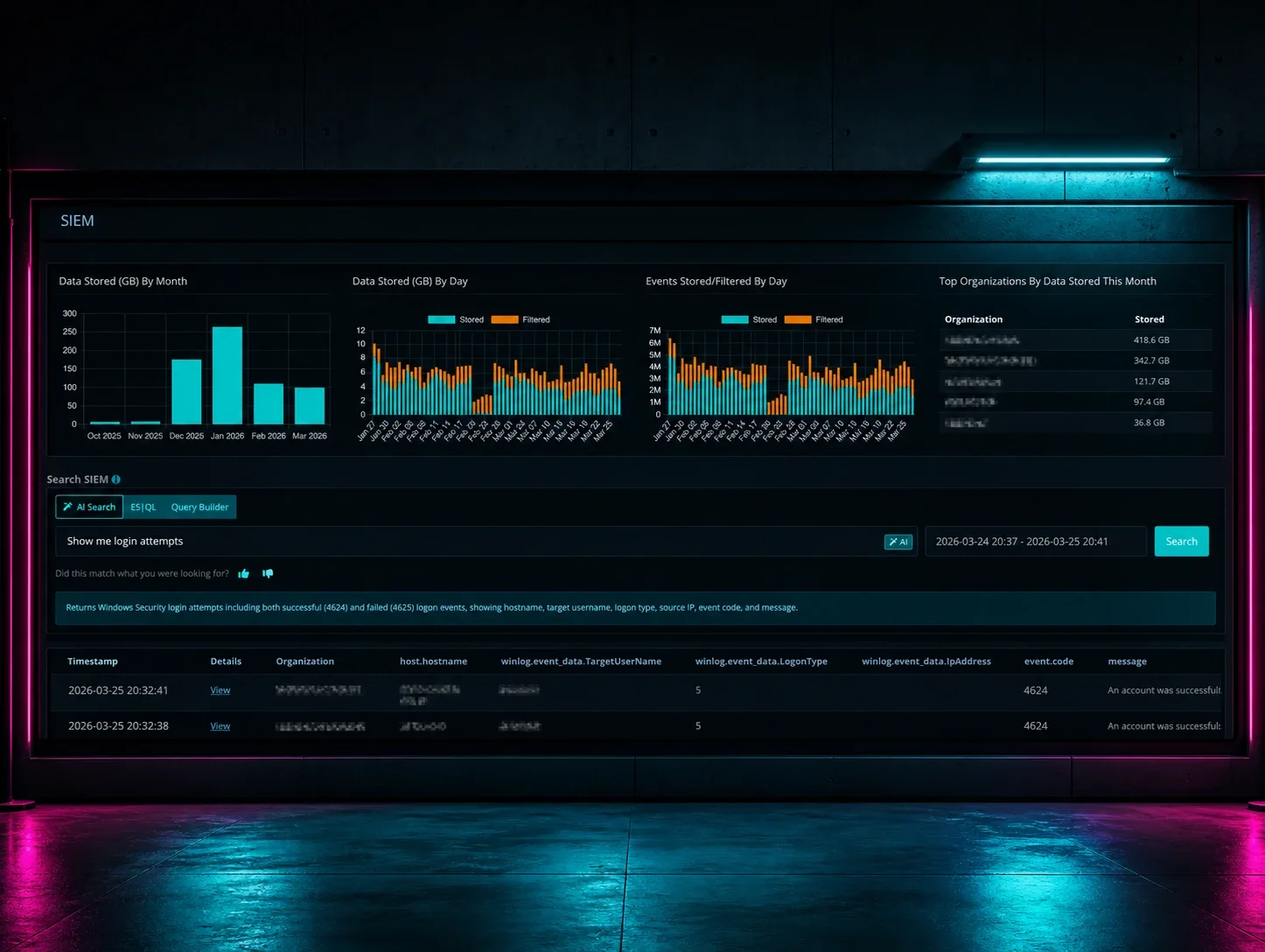
Huntress Platform One: Unified Managed Security Platform for Endpoints, Identity, and Operations
Huntress has introduced Platform One, a single-dashboard managed security solution that combines endpoint protection, identity resilience, and operational readiness. The platform offers Managed EDR, Managed SIEM, Managed ITDR, and AI-driven investigation with Athena Engine. Defenders should evaluate integration with existing tools, enable managed services, and leverage the unified view for faster threat detection.
Read briefing
Addressing Continuous Authorization Challenges in Zero Trust Deployments
Organizations are struggling to enforce continuous authorization within Zero Trust frameworks, creating gaps that attackers exploit. Defenders in critical infrastructure and enterprise environments must adopt context‑aware, AI‑driven authorization and integrate with unified platforms like CrowdStrike Falcon to close these gaps.
Read briefing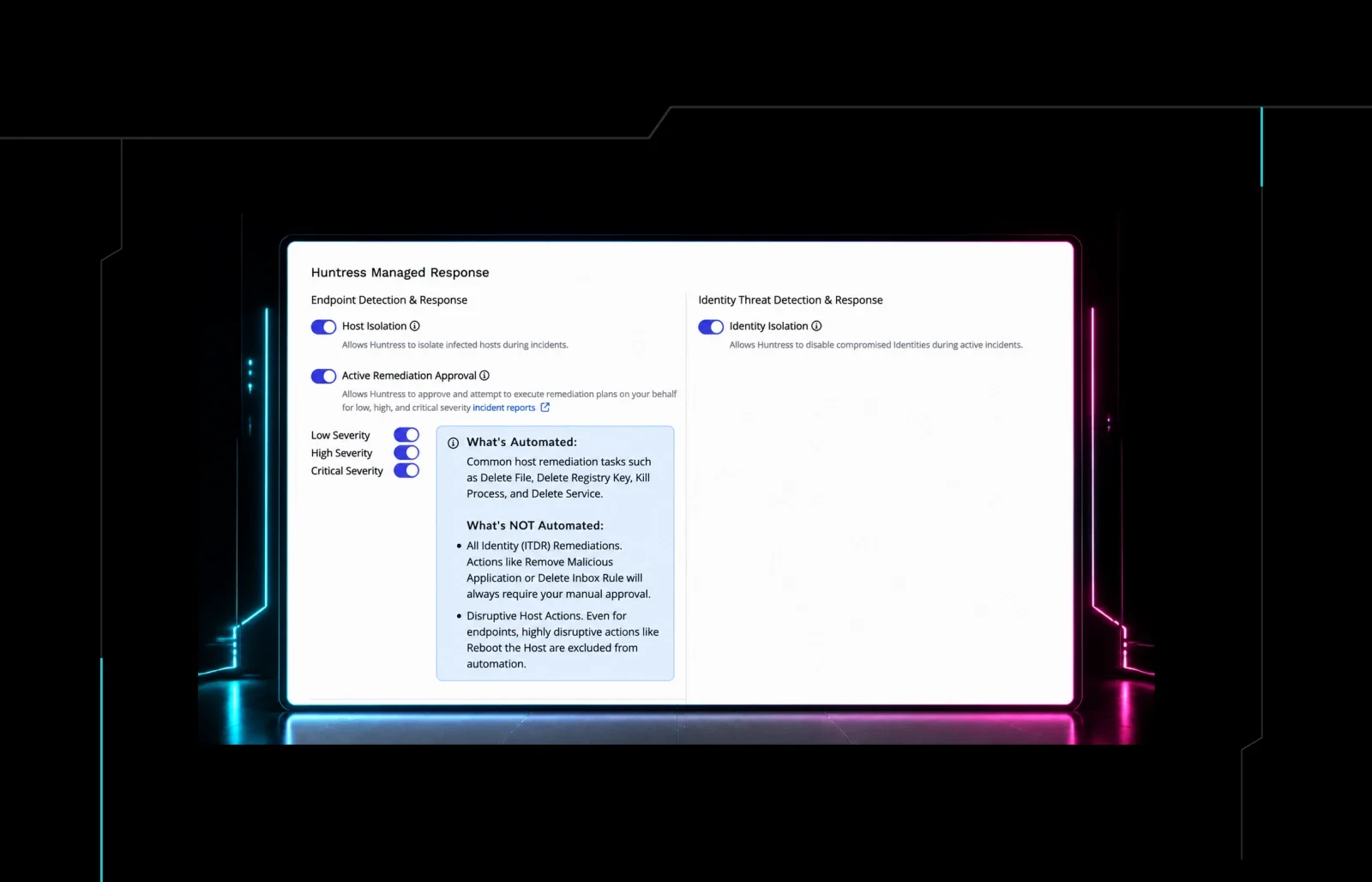
Maintaining Operational Resilience and IT Security During Reduced Staffing Periods
Reduced IT and security headcount during holidays or off-peak periods significantly increases operational risk. Defenders must adjust change management policies, prioritize critical alerts, and enforce strict monitoring to maintain resilience against active cyber threats.
Read briefing
2020 Active Cyber Defence Report: Key Achievements and Practical Guidance for SecOps
The NCSC’s 2020 Active Cyber Defence (ACD) report highlights how the programme supported UK organisations during the pandemic, expanding remote‑work tools and threat‑intel sharing. Defenders should leverage ACD services, threat‑intel feeds, and training resources to strengthen resilience against evolving attacks.
Read briefing