
Cybersecurity
Maintaining Operational Resilience and IT Security During Reduced Staffing Periods
Reduced IT and security headcount during holidays or off-peak periods significantly increases operational risk. Defenders must adjust change management policies, prioritize critical alerts, and enforce strict monitoring to maintain resilience against active cyber threats.
What Happened
Organizations operating with reduced IT and security staff frequently encounter elevated risk profiles due to decreased oversight and delayed incident response capabilities. Threat actors actively exploit these predictable staffing gaps—such as holidays or weekends—to launch intrusions, knowing that detection and remediation windows are extended.
Impact
When staffing levels drop, the mean time to detect (MTTD) and mean time to respond (MTTR) naturally increase. Without full teams monitoring endpoints, identities, and network perimeters, early-stage indicators of compromise (IoCs) like infostealer activity, phishing, or initial access attempts can persist unaddressed until they evolve into full-scale ransomware or business email compromise (BEC).
What to Do
SecOps and sysadmins must proactively adjust their operational posture before staffing levels decrease. Implement the following hardening and response measures to maintain baseline security:
- Freeze non-essential IT changes and deployments to reduce the attack surface and prevent unexpected outages.
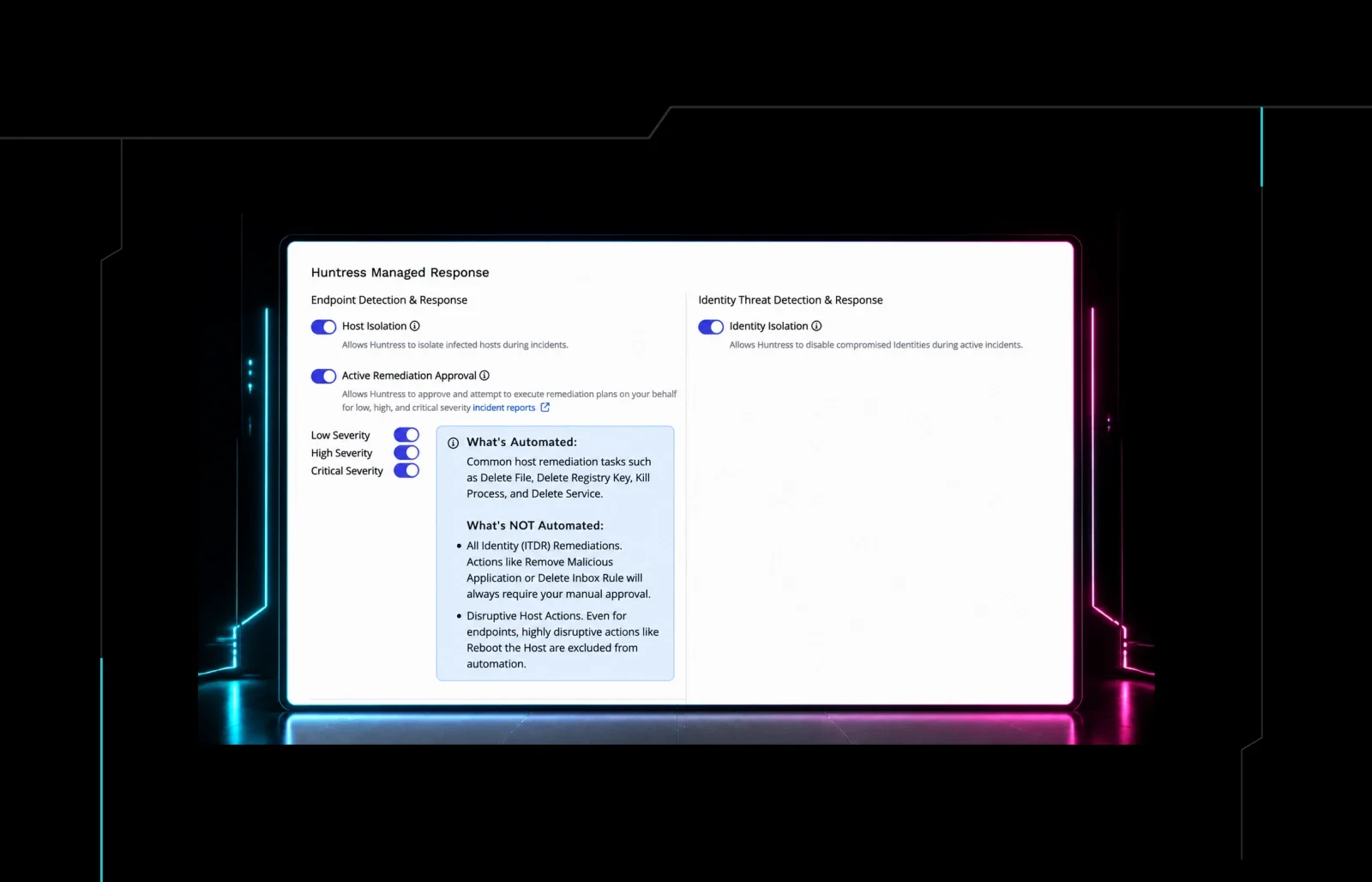
- Ensure automated detection and response tooling, such as EDR and managed SIEM, are fully active and properly tuned.
- Establish clear, documented escalation paths and on-call rotations for critical incidents.
- Audit identity providers and multi-factor authentication (MFA) enforcement to mitigate credential-based attacks while monitoring is lean.
Operational resilience is not just about headcount; it is about strategic risk management, strict change control, and relying on automation when human resources are limited.
Related articles
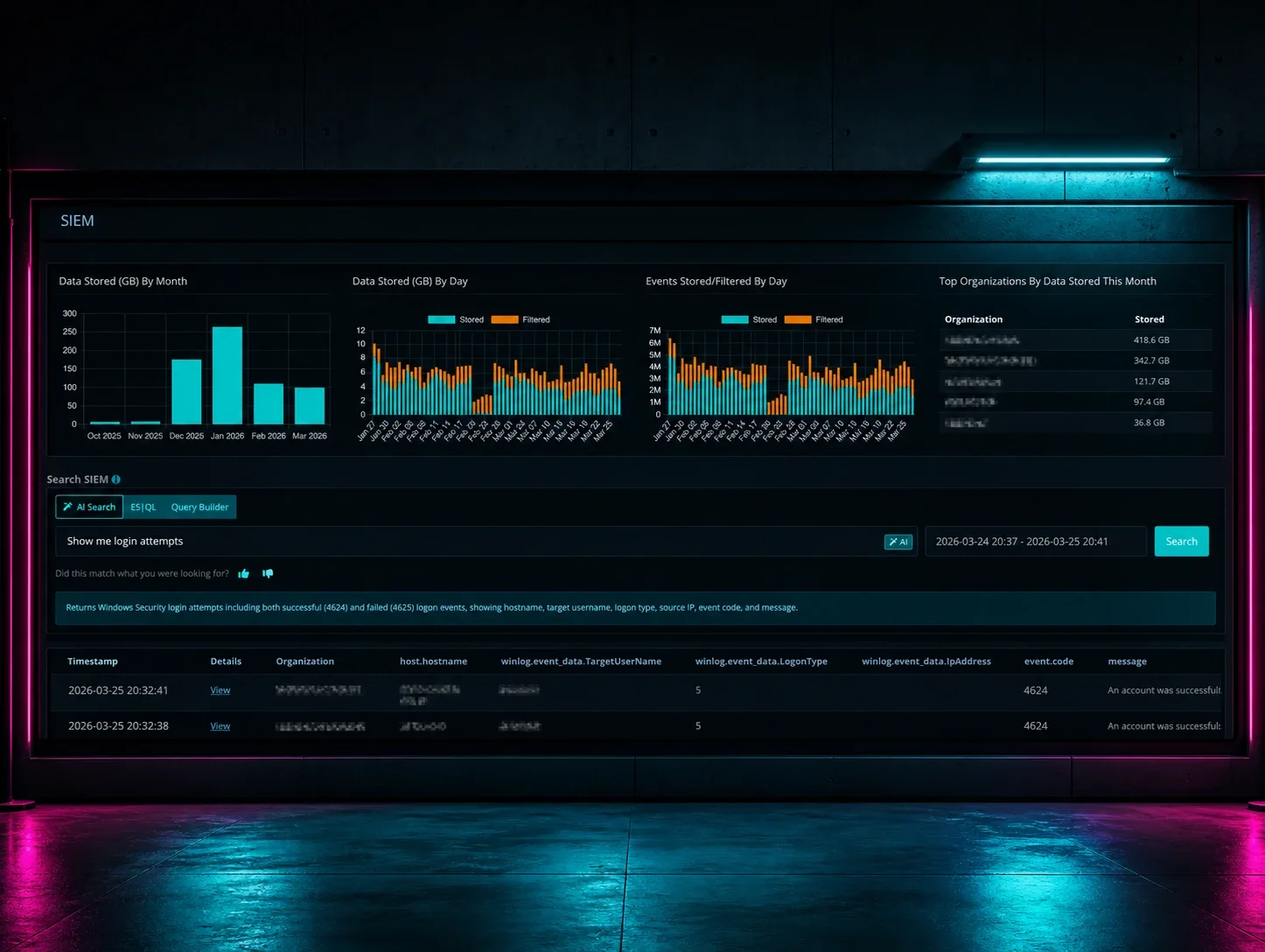
Huntress Platform One: Unified Managed Security Platform for Endpoints, Identity, and Operations
Huntress has introduced Platform One, a single-dashboard managed security solution that combines endpoint protection, identity resilience, and operational readiness. The platform offers Managed EDR, Managed SIEM, Managed ITDR, and AI-driven investigation with Athena Engine. Defenders should evaluate integration with existing tools, enable managed services, and leverage the unified view for faster threat detection.
Read briefing
2020 Active Cyber Defence Report: Key Achievements and Practical Guidance for SecOps
The NCSC’s 2020 Active Cyber Defence (ACD) report highlights how the programme supported UK organisations during the pandemic, expanding remote‑work tools and threat‑intel sharing. Defenders should leverage ACD services, threat‑intel feeds, and training resources to strengthen resilience against evolving attacks.
Read briefing
Context Compaction Reduces Agent Input Tokens by 86% in Automated Malware Analysis
SentinelLABS evaluated native context compaction in long-running agentic malware analysis workflows. The technique reduced input token consumption by roughly 86% without degrading output quality, offering a viable method to curb costs and noise in automated security operations.
Read briefing
Elastic Introduces Agent Builder & Workflows to Automate SOC Triage
Elastic Stack now includes Agent Builder and Elastic Workflows, allowing security teams to automate alert triage and response. The combination separates deterministic actions from AI‑driven analysis, reducing analyst toil while maintaining auditability.
Read briefing