
Cybersecurity
NCSC Active Cyber Defence Year 5: Scaling Automated Protections Against Commodity Attacks
The NCSC's fifth annual Active Cyber Defence (ACD) report highlights the program's role in mitigating commodity cyber threats through automated services. Key focus areas include large-scale malicious site takedowns, protective DNS for public sector entities, and vulnerability scanning for internet-facing infrastructure.

Overview of ACD Program Evolution
The National Cyber Security Centre (NCSC) has released its fifth-year review of the Active Cyber Defence (ACD) initiative. The program focuses on reducing the impact of high-volume, low-sophistication attacks through automated intervention. By centralizing defense mechanisms, the ACD aims to remove the burden of security from end-users and individual organizations by neutralizing threats at the infrastructure level.
Key Mitigation Services for Defenders
Several core services define the ACD's operational output, providing critical data and protection for UK-based infrastructure:
- Takedown Service: Automatically identifies and requests the removal of malicious content, including phishing sites and malware distribution nodes.
- Protective DNS (PDNS): Prevents organizational systems from resolving known malicious domains, effectively blocking command-and-control (C2) traffic.
- Web Check and Mail Check: These tools provide automated auditing for web server configurations and email authentication protocols, such as DMARC, SPF, and DKIM, to prevent domain spoofing.
- Early Warning: Uses multiple data feeds to notify organizations of potential compromises, such as presence in a botnet or exposed vulnerable services.
Impact on the Commodity Threat Landscape
In its fifth year, the program has demonstrated significant scale in neutralizing infrastructure used by attackers. By automating the identification of vulnerabilities in public-facing assets, the NCSC helps organizations remediate weaknesses before they are exploited by automated scanning tools. The program's success lies in its ability to handle the 'long tail' of commodity attacks, allowing security teams to focus on more sophisticated, targeted threats.
Recommended Actions for Defenders
SecOps teams and sysadmins should prioritize the following actions to align with ACD findings:
- Enroll in Available Services: Public sector organizations and eligible critical infrastructure providers should ensure they are fully integrated with PDNS and the Early Warning service.
- Audit Email Security: Utilize Mail Check or similar tools to verify that DMARC policies are set to 'reject' to mitigate business email compromise (BEC) risks.
- Attack Surface Management: Implement automated scanning for all internet-facing assets to identify outdated software versions and misconfigured TLS settings.
The aim of ACD is to protect the majority of people from the majority of the harm caused by the majority of cyber attacks the majority of the time.
Related vulnerabilities

2020 Active Cyber Defence Report: Key Achievements and Practical Guidance for SecOps
The NCSC’s 2020 Active Cyber Defence (ACD) report highlights how the programme supported UK organisations during the pandemic, expanding remote‑work tools and threat‑intel sharing. Defenders should leverage ACD services, threat‑intel feeds, and training resources to strengthen resilience against evolving attacks.
Read briefing
Maintaining Operational Resilience and IT Security During Reduced Staffing Periods
Reduced IT and security headcount during holidays or off-peak periods significantly increases operational risk. Defenders must adjust change management policies, prioritize critical alerts, and enforce strict monitoring to maintain resilience against active cyber threats.
Read briefing
75% of UK Critical Infrastructure Attacks Linked to Hostile States
NCSC Director‑General Richard Horne revealed that three‑quarters of cyber incidents against UK critical infrastructure in the past year were attributable to hostile state actors. The finding underscores the need for heightened vigilance and proactive defense. Defenders should prioritize threat intelligence, hardening, and incident response readiness.
Read briefing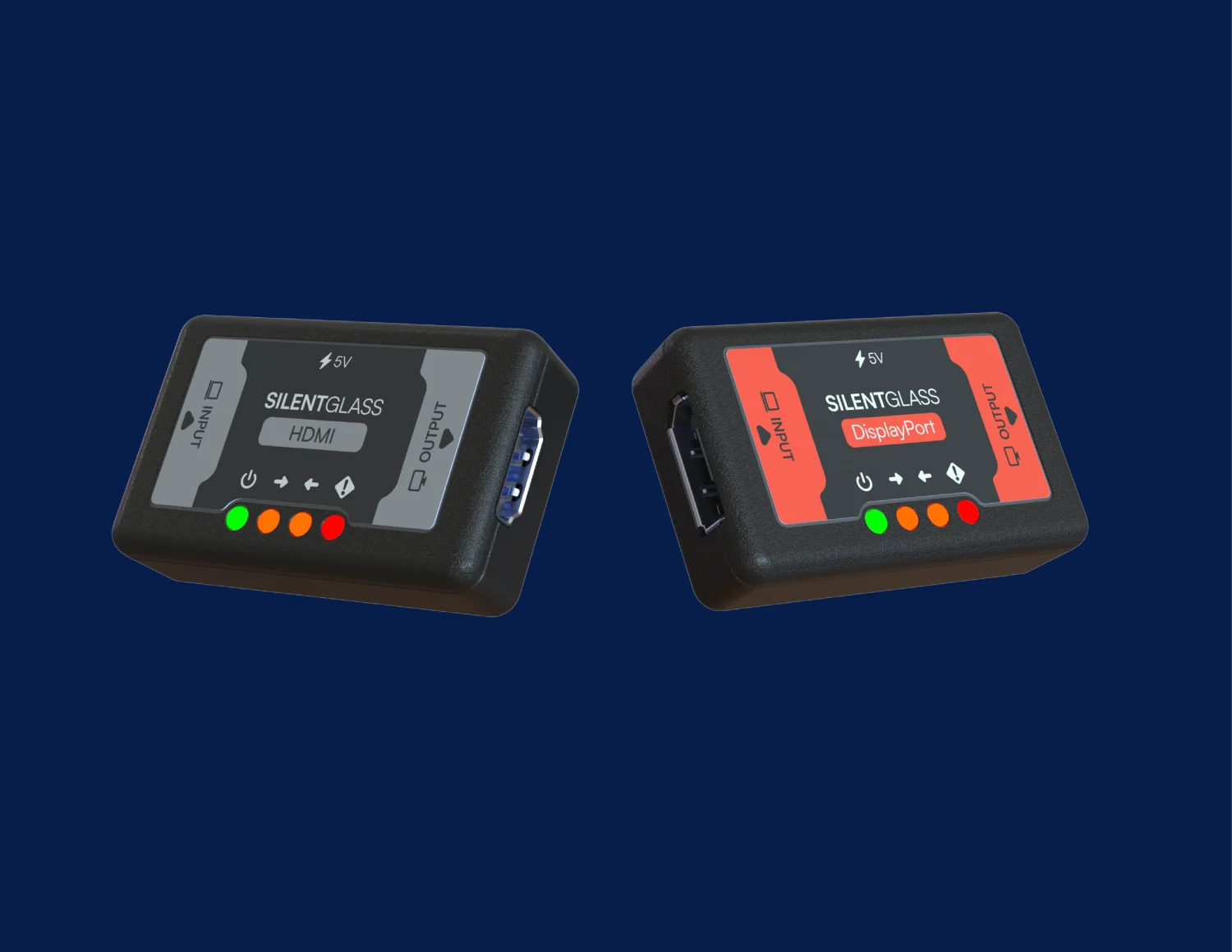
NCSC‑Engineered SilentGlass Blocks Malicious HDMI/DisplayPort Connections
The National Cyber Security Centre has released SilentGlass, a plug‑in device that actively blocks unexpected or malicious HDMI and DisplayPort links between monitors and laptops. The product, manufactured by Goldilock Labs under an NCSC‑licensed brand, protects organisations from compromised display‑link attacks. Defenders should deploy SilentGlass on critical workstations and monitor for unauthorized cable activity.
Read briefing