
Threat Intel
North Korean Hackers Hijack Fake Coding Interviews with SVG Steganography to Steal Developer Credentials
A new DPRK‑aligned campaign, dubbed REF9403, injects malware into SVG flag images hidden inside seemingly legitimate coding challenge repositories. Triggered when developers run the “coding test,” the payload drops a four‑stage chain—browser credential and crypto‑wallet theft, file exfiltration, a Socket.IO RAT, and clipboard hijacking—mirroring the OTTERCOOKIE family. The attack surfaced after a Slack community received a bogus job posting and was found to be undetected by all major AV vendors. The case underscores the ongoing threat to developers and the need to scrutinize even seemingly har

North Korean‑aligned actors have launched a new Contagious Interview campaign, labeled REF9403, that uses steganography to hide malicious code inside SVG images embedded in fake coding challenge repositories.
How the attack works
Developers receive a job posting that includes a “coding challenge” project. When the repository is cloned and executed, the code quietly pulls a four‑stage payload:
- Browser credential and crypto‑wallet stealer
- File exfiltration module
- Socket.IO‑based remote‑access trojan (RAT)
- Clipboard data stealer
Each stage is delivered via Base64 fragments hidden in SVG flag images, a technique that evades detection by conventional antivirus scanners.
Why developers are the target
By compromising a single developer, attackers gain initial foothold and can pivot to downstream supply‑chain targets. The lure of a lucrative side‑job, combined with the need to load libraries and scripts, makes open‑source coding forums a fertile watering hole.
Discovery and impact
The investigation began when Elastic Security Labs noticed suspicious activity in its community Slack workspace. A user named Maxwell posted a fake e‑commerce upgrade job and directed interested developers to a trojanized repository. The malicious code was undetected by any AV vendor at the time of discovery.
“The trojanized repositories are fully functional and appear legitimate, yet they silently trigger malicious code behind the scenes.”
Takeaways for the community
- Verify the provenance of coding challenge repositories before execution.
- Inspect SVG assets for hidden Base64 payloads.
- Maintain strict access controls for developer environments.
- Stay alert for job offers that require running unfamiliar code.
Related articles

North Korean APT Breaches South Korean Media and Auto Firms via New Linux Toolkit on HAProxy Load Balancers
A suspected North Korean APT deployed a previously undocumented Linux espionage toolkit, dubbed "TED," to compromise HAProxy load balancers in South Korean media and automotive companies. The attackers leveraged the compromised appliances to harvest credentials, redirect traffic, and execute drive‑by downloads, fitting the DPRK pattern of long‑term espionage via trusted software. Rapid7 links the activity to APT37 with medium confidence, highlighting the dual focus on information control and manufacturing IP.
Read briefing
AI Platforms Become New Attack Vectors: Hackers Hijack Claude, ChatGPT and More
As AI tools like Claude, ChatGPT and Grok become integral to daily workflows, threat actors are turning these trusted platforms into launchpads for malware, phishing, and data theft. By weaponizing shareable AI artifacts, exploiting sponsored search results and embedding malicious instructions in seemingly legitimate AI conversations, attackers can deliver ransomware, credential stealers and other payloads with minimal user suspicion. Recent campaigns—FakeAgent’s Claude Artifact redirect to SectopRAT and a fake Apple‑support guide on claude.ai/share that installs the MacSync stealer—show how q
Read briefing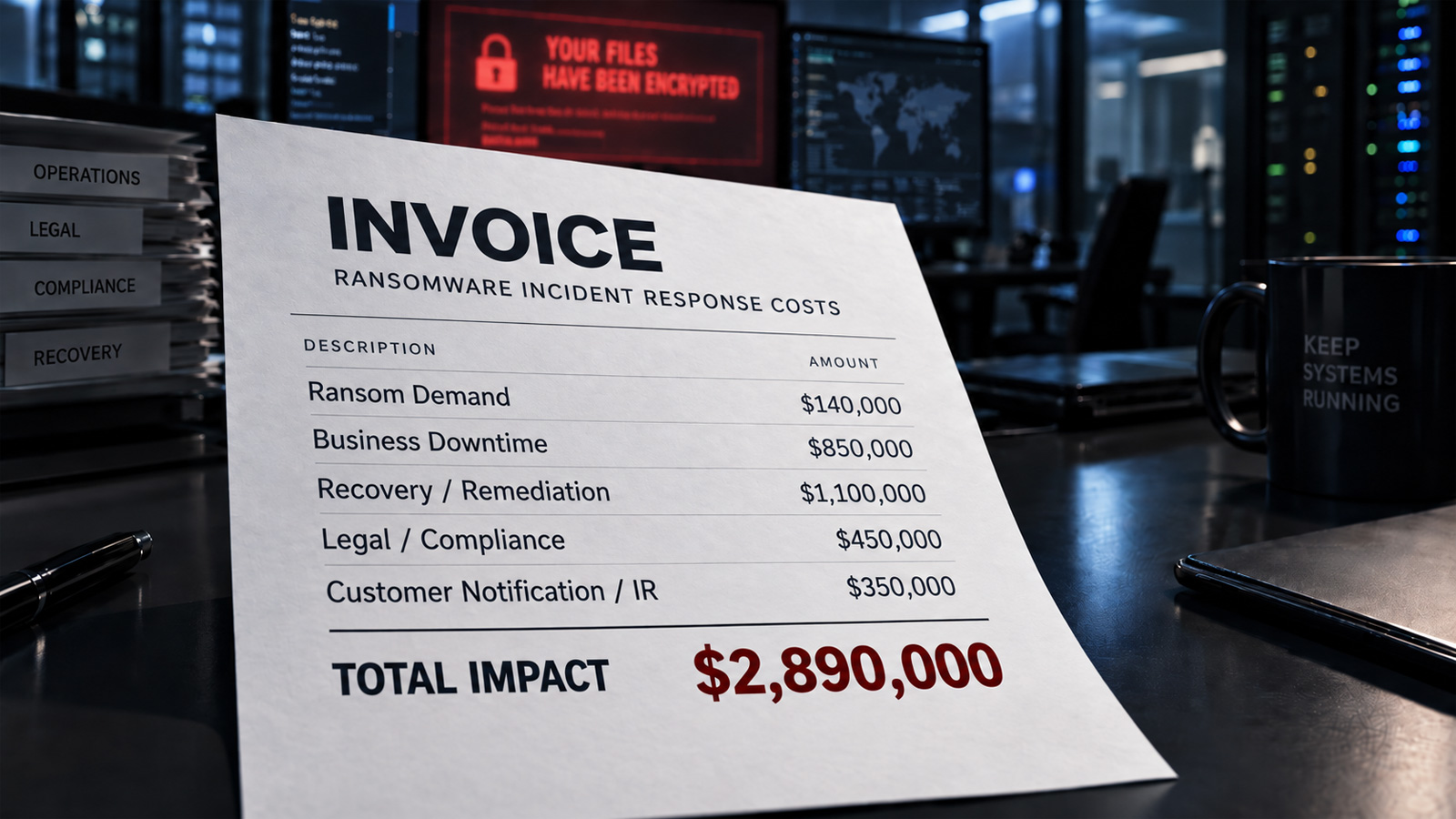
Ransomware Costs Reveal: Ransom Is Just the Tip of the Iceberg – Downtime, Recovery and Compliance Add Millions
While the headline ransom payment often steals the spotlight, the real financial damage from a ransomware hit runs into the millions. New data shows an average total cost of $5.08 million per incident, compared to a median ransom of roughly $140 k. Prolonged downtime, complex recovery, and regulatory fallout drive the bulk of the bill. Only 35 % of firms actually restore critical systems in under a day, despite 60 % claiming they can. A mature Business Continuity & Disaster Recovery (BCDR) plan can slash downtime, streamline backups and ease compliance, dramatically reducing the overall hit.
Read briefing
Inside the First Hours of a Google Workspace Breach: Live Webinar Reveals What Works and What Doesn’t
BleepingComputer partners with Material Security to host a live deep‑dive on how fast‑growing firms handle Google Workspace intrusions. The session dissects real breaches where attackers used social engineering and rogue OAuth apps, highlighting the critical early decisions that can either curb damage or amplify it. Attendees learn which controls deliver the most bang for lean security teams and hear the speakers’ take on building a resilient Workspace strategy from scratch.
Read briefing