
Vulnerabilities
OpenClaw AI Agents Pose Identity and Data Risks with Broad Cloud Permissions
OpenClaw AI agents that are granted wide cloud permissions can expose user identities and sensitive data to attackers. The risk is high for any organization deploying these agents without proper access controls. Defenders should audit permissions, enforce least privilege, and monitor for anomalous activity.
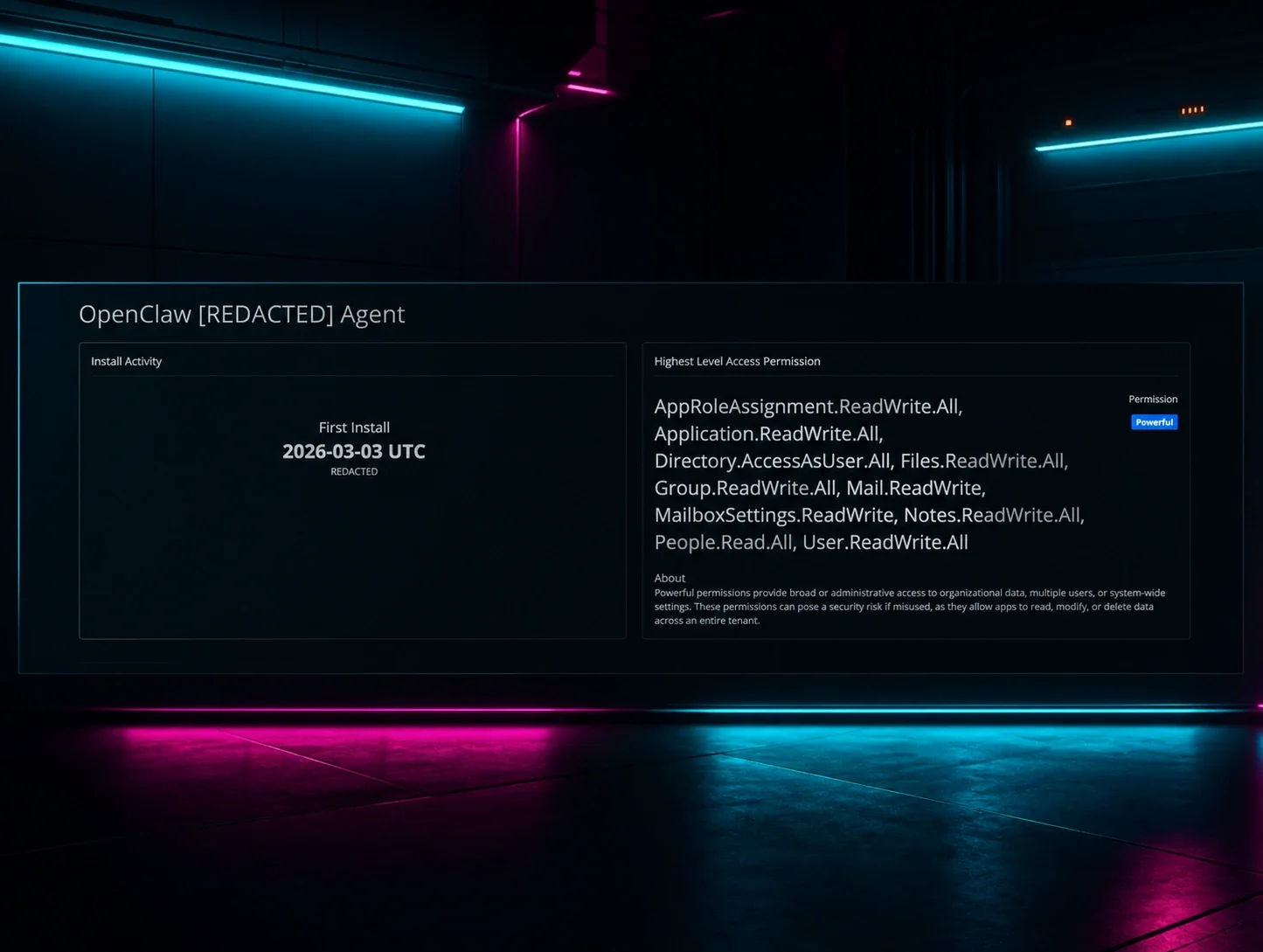
OpenClaw AI agents are designed to automate routine tasks across cloud environments. When deployed with broad permissions, they can access user identities, credentials, and confidential data, creating a high‑severity vulnerability that attackers can exploit.
What Happened
Recent security reviews have identified that OpenClaw agents, if granted unrestricted cloud access, can read and modify identity configurations, export data, and even create new privileged accounts. Attackers who compromise an agent can pivot to other services or exfiltrate data.
Impact
Organizations using OpenClaw in Microsoft 365, Google Workspace, or other cloud platforms are at risk. The potential impact includes credential theft, unauthorized data access, and privilege escalation across the tenant.
What to Do
- Audit all OpenClaw deployments for assigned permissions.
- Apply the principle of least privilege: limit agents to only the scopes they need.
- Enable conditional access and multi‑factor authentication for any accounts used by the agents.
- Monitor for anomalous API calls, especially those that read or write identity data.
- Implement role‑based access controls and regularly review role assignments.
“If you don’t restrict the permissions of your AI agents, you’re essentially giving attackers a backdoor into your identity infrastructure.” – Security Lead, CloudOps Team
Related vulnerabilities
Apple Tightens macOS Full Disk Access Controls Amid AI Agent Privacy Risks
Apple announced updates to macOS Full Disk Access (FDA) to curb privacy risks posed by AI agents that can read user data. The change follows incidents where AI tools like Meta’s Muse accessed private iMessages after users granted FDA. Defenders should review which apps have FDA, disable unnecessary access, and monitor for AI agents.
Read briefing
CrowdStrike Introduces On-Device AI for Real-Time Data Classification in Falcon Data Security
CrowdStrike has added a new on-device AI capability to Falcon Data Security that classifies sensitive data in real time using language models running on dedicated hardware. The feature reduces cloud dependency and speeds up detection for SecOps teams. Defenders should enable the module, update agents, and integrate with existing DLP workflows.
Read briefing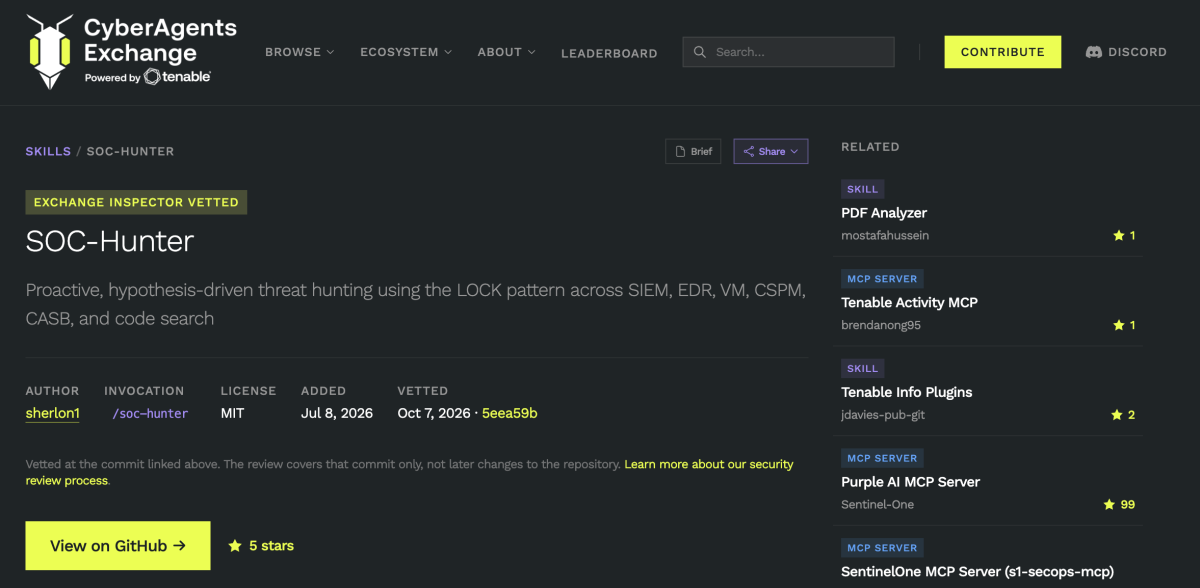
Tenable's Exchange Inspector: Vetting AI Agents for Secure SOC Deployments
Tenable has launched the Exchange Inspector, a three‑stage vetting process that screens community‑built AI agents before they appear on the CyberAgents Exchange. The pipeline uses automated checks, OpenAI GPT cyber models, and human review to cover 15 security issue types, ensuring agents like SOC Hunter reduce hunt times by up to 75%. Defenders should verify vetting badges, sandbox agents, and monitor for identified risks before deployment.
Read briefing
CrowdStrike Unveils Falcon Guardian: AI‑First Runtime Defense for the Next Generation of Threats
CrowdStrike has launched Falcon Guardian, a flagship AI‑driven detection and response platform that safeguards AI agents in real time. The solution introduces a dedicated AI gateway, delivers runtime protection for machine‑learning workloads, and expands Falcon’s expert‑led defense capabilities. With Guardian, security teams can monitor AI behavior, block malicious model exploitation, and integrate seamlessly with existing Falcon XDR and cloud‑security stacks.
Read briefing