
Advisories
Choosing an Incident Response Retainer: Key Questions for SecOps Teams
SecOps and sysadmins must vet incident response retainers before signing. Focus on SLA clarity, scope, hidden costs, threat profile fit, and post‑incident support. This briefing outlines the essential questions to ask and actions to take.
What to Ask
Before committing to a retainer, confirm the following:
- Service Level Agreements: Are response times, escalation paths, and availability metrics defined?
- Scope of Coverage: Which assets, environments, and incident types are included?
- Hidden Costs: Are there fees for additional hours, off‑hours work, or third‑party services?
- Threat Profile Fit: Does the provider’s expertise match the organization’s risk landscape?
- Post‑Incident Support: Is there a defined process for lessons‑learned, reporting, and remediation guidance?
Impact on Operations
A vague retainer can delay response, inflate costs, or leave critical assets uncovered. Clear definitions reduce uncertainty and ensure the incident response team can act swiftly and within budget.
Immediate Actions
1. Review your current incident response plan and identify gaps that a retainer should fill.
2. Draft a checklist of the questions above and circulate it to stakeholders.
3. Request detailed proposals from shortlisted vendors and compare SLA metrics, cost structures, and threat coverage.
4. Verify that the vendor can integrate with your existing tools (SIEM, SOAR, XDR) to avoid duplication.
5. Negotiate a clause that requires periodic SLA reviews and cost transparency.
Clear SLAs are the foundation of effective incident response.
Related articles
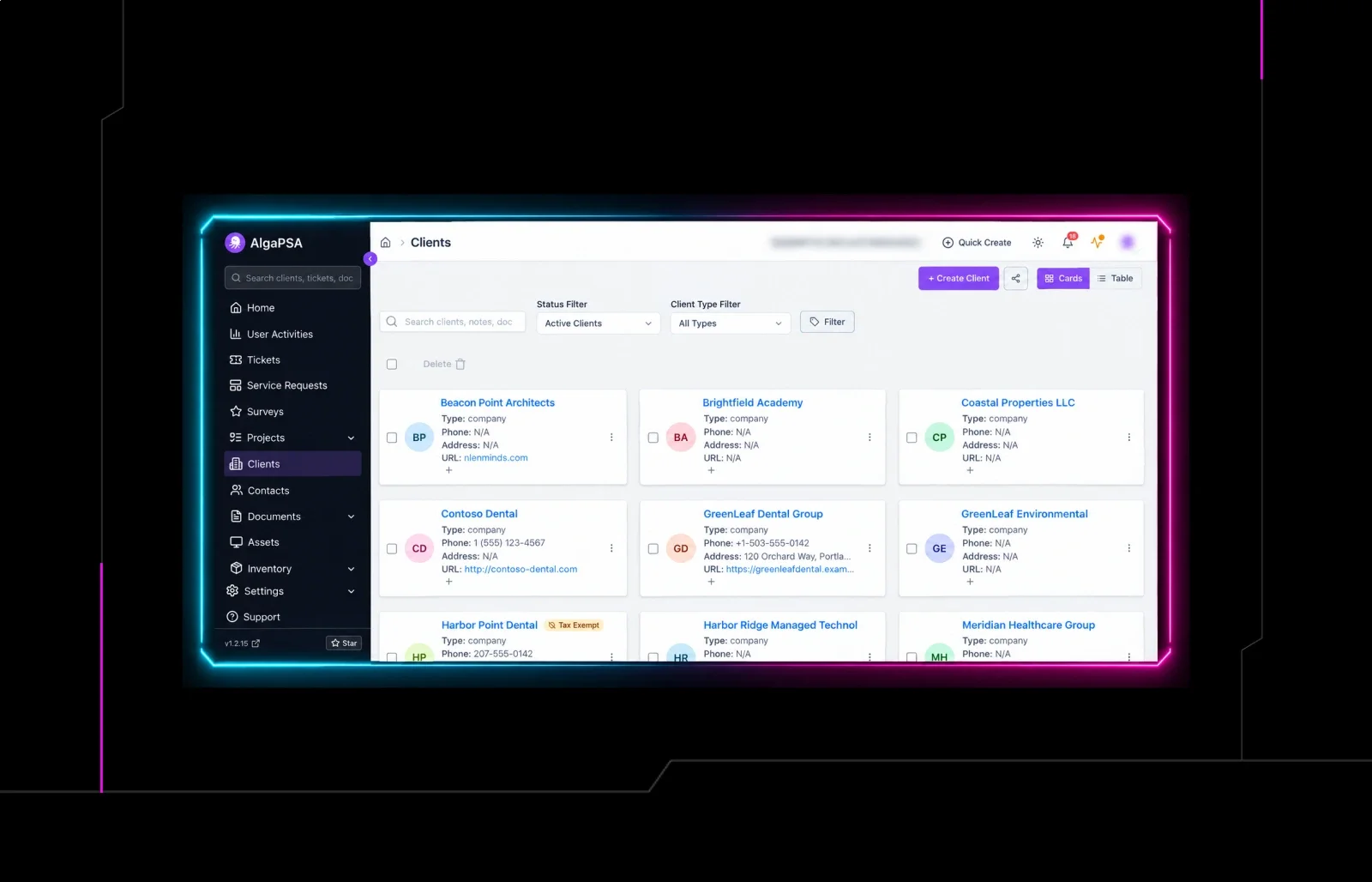
Nine Minds Automates Huntress Incident Reporting to AlgaPSA Tickets in Days
Nine Minds leveraged the Huntress API to convert incident reports into AlgaPSA tickets within days, streamlining ticket creation for incident response teams. The integration demonstrates how to bridge Huntress Platform One with ticketing systems for faster remediation. Defenders can replicate the approach to reduce manual effort and improve response times.
Read briefing
Defender Guide: Responding to AI‑Generated Fake Nude Images (Nudify Apps)
Nudify apps use AI to create non‑consensual nude images, posing legal and reputational risks. SecOps teams must detect, mitigate, and report such content. This briefing outlines detection tactics, legal frameworks, and incident response steps for defenders.
Read briefing
Group-IB CEO Dmitry Volkov: Turning Incident Response into a Strategic Advantage
Group-IB CEO Dmitry Volkov explains how incident response can be reframed as a competitive edge. He outlines the benefits of a unified risk platform, 24/7 incident retainer, and integrated threat intelligence for SecOps teams. Defenders are urged to adopt these tools to shift from reactive to proactive security.
Read briefing
CrowdStrike Launches Falcon Guardian: AI‑Driven Runtime Protection for Endpoints
CrowdStrike has unveiled Falcon Guardian, a new AI detection and response platform that protects AI agents at runtime, introduces an AI gateway, and expands expert‑led defense capabilities. The solution is designed for SecOps teams to detect and contain AI‑based threats across endpoints and cloud workloads. Defenders should integrate Falcon Guardian with existing XDR, enable the AI gateway, and monitor for anomalous AI activity.
Read briefing