
Threat Intel
Fragmented Fraud Marketplaces Shift: New MITRE Framework Guides Defenders
Large fraud marketplaces have collapsed, pushing actors to niche social‑media and dark‑web shops that sell server infrastructure, targeted lists, and money‑laundering services. Security teams must broaden monitoring to these fragmented channels, ingest varied data types, and apply the new MITRE Fraud framework to prioritize detection and response.
What Happened
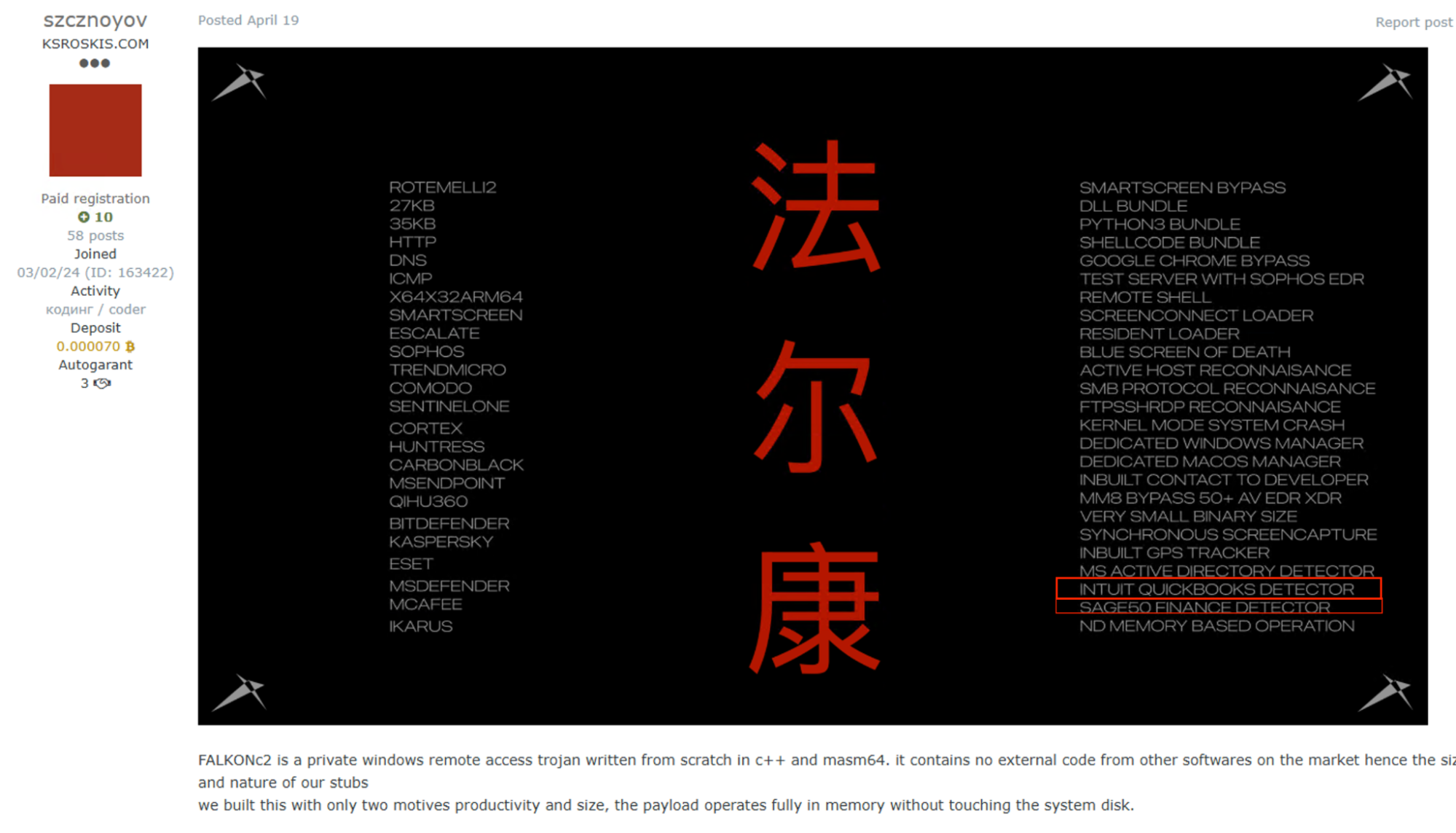
Large, well‑known fraud marketplaces have been dismantled, pushing threat actors to smaller, niche shops on social‑media, dark‑web forums and micro‑marketplaces. These new venues sell server infrastructure, curated victim lists, and money‑laundering support for compromised accounts.
Impact
Organizations of all sizes face higher exposure as fraudsters now operate from a fragmented ecosystem that is harder to track. The variety of data formats—documents, images, video, and unstructured text—linked to assets increases the volume of intelligence that must be ingested.
What to Do
- Expand monitoring to include social‑media channels, dark‑web forums, and niche marketplaces.
- Implement automated ingestion pipelines that can parse documents, images, video, and text to surface relevant indicators.
- Apply the MITRE Fraud framework to map tactics, techniques, and procedures and prioritize alerts.
- Foster cross‑functional collaboration between threat‑intel, SOC, and incident‑response teams to share actionable insights.
Mitigation Guidance
Use threat‑intel feeds that cover niche fraud marketplaces, validate indicators against the MITRE framework, and harden accounts with MFA to reduce the impact of compromised credentials.
Related articles
MITRE ATT&CK Framework Adoption Drives Threat Intelligence Standardization
The MITRE ATT&CK® framework has become the industry standard for cataloguing adversary tactics and techniques, enabling defenders to map attacks more precisely. Security teams across sectors now use ATT&CK to structure threat intel, improve detection, and prioritize mitigations. This briefing outlines the practical steps for SecOps, sysadmins, and defenders to integrate ATT&CK into their operations.
Read briefing
Fraudulent Trading Apps Targeting iOS and Android via UniApp Framework
Group‑IB uncovered a large‑scale fraud campaign that distributed counterfeit trading applications on iOS and Android. The malicious apps were published through official app stores and phishing sites using the UniApp framework. Defenders should verify app authenticity, monitor for duplicate app listings, and block associated domains.
Read briefing
Empire Market Founder Sentenced to 40 Years, Highlighting Dark‑Web Marketplace Risks
The co‑founder of the defunct Empire dark‑web marketplace was sentenced to 40 years in prison for orchestrating $430 million in illicit transactions from 2018‑2020. The case underscores the scale of underground marketplaces and the importance of threat‑intelligence feeds for defenders. Security teams should monitor Tor‑based services and stay alert to emerging illicit vendors.
Read briefing
CISA Unveils Flexible Logging & Visibility Framework for Federal Agencies
CISA has released a new set of foundational guidance designed to help federal agencies standardize logging practices, enhance visibility into cyber events, and establish operational benchmarks. The framework offers adaptable best‑practice recommendations that align with existing NIST and MITRE standards, enabling agencies to tailor solutions to their unique risk profiles while improving incident detection and response.
Read briefing