
Advisories
Harvard University Alumni Systems Breach: 851,000 Accounts Compromised
In November 2025, attackers accessed Harvard’s Alumni Affairs and Development databases, exposing personal data for over 850,000 users. The breach did not include SSNs or payment data, but compromised email, phone, address, and donation records. Defenders should verify access controls, monitor for suspicious outbound traffic, and enforce MFA on alumni portals.
What happened
On November 18, 2025, Harvard University discovered that attackers had gained unauthorized access to its Alumni Affairs and Development systems. The intrusion was identified through internal monitoring and a subsequent notification from the breach‑tracking service Have I Been Pwned, which reported more than 850,000 unique email addresses had been exfiltrated.
Analysis of the incident suggests the attackers leveraged either compromised credentials or a misconfigured database interface to extract the data. No evidence of exploitation of known public vulnerabilities was reported at the time of discovery.
Who is affected
The compromised data set includes email addresses, telephone numbers, home and business addresses, event attendance records, donation details, and biographical information used for fundraising and alumni engagement. Social Security numbers, passwords, payment card data, and other financial information were not stored in the affected systems.
Individuals impacted span Harvard’s current students, faculty, staff, alumni, and external donors. With more than 400,000 alumni worldwide, the reach of the exposed contact list is substantial.
Impact
Although no financial data was exposed, the personal information available to attackers can facilitate targeted phishing, social‑engineering attacks, and identity‑theft attempts. The breach also poses reputational risk and may trigger regulatory scrutiny under FERPA and GDPR for alumni located in the EU.
Harvard has not confirmed attribution, but the ShinyHunters extortion gang claimed responsibility, stating that over one million records were stolen. The lack of confirmed attribution underscores the need for vigilant monitoring.
Exposure
Attackers accessed databases that stored contact and biographical data for alumni and donors. The exfiltration likely involved a combination of credential compromise and SQL‑injection techniques, with the stolen data transferred to an external server controlled by the attackers.
The breach was publicly reported to Have I Been Pwned, and the university has not yet disclosed any additional details about the attack vector or the extent of data loss beyond the 851,000 records.
What to do
Defenders should immediately audit access logs for the Alumni Affairs and Development services, enforce multi‑factor authentication, and review all database permissions to ensure least‑privilege access.
- Verify that all Alumni systems run the latest OS and application patches.
- Implement strict role‑based access control and least‑privilege for database users.
- Enable logging and alerting for unusual outbound traffic from the alumni database servers.
- Conduct a phishing simulation targeting alumni to assess susceptibility.
- Notify affected users and provide guidance on monitoring for suspicious activity.
What to watch
Monitor for new phishing campaigns that use Harvard domain or alumni email addresses, and watch for credential‑stuffing attempts on alumni portals.
Stay alert for threat‑intel updates on the ShinyHunters group and any emerging vulnerabilities in the software stack powering the alumni systems.
Related articles

Capcom Data Breach Exposes 11.8M Email Addresses; 196 Passwords Reset
Japanese gaming giant Capcom disclosed a breach that compromised 11,774,247 email addresses and altered passwords for 196 accounts. No passwords were stolen, but 43 users had additional personal data exposed. Defenders should audit login patterns, enforce MFA, and monitor for credential reuse.
Read briefing
Sony ISP Subsidiary Data Breach Exposes 2.5 Million Customer Records
Sony Network Communications confirmed that 2,585,481 customer records were compromised in an October 2026 breach. The exposed data includes personal identifiers but no payment information. Defenders should enforce password resets, enable MFA, and monitor for credential‑stuffing attacks.
Read briefing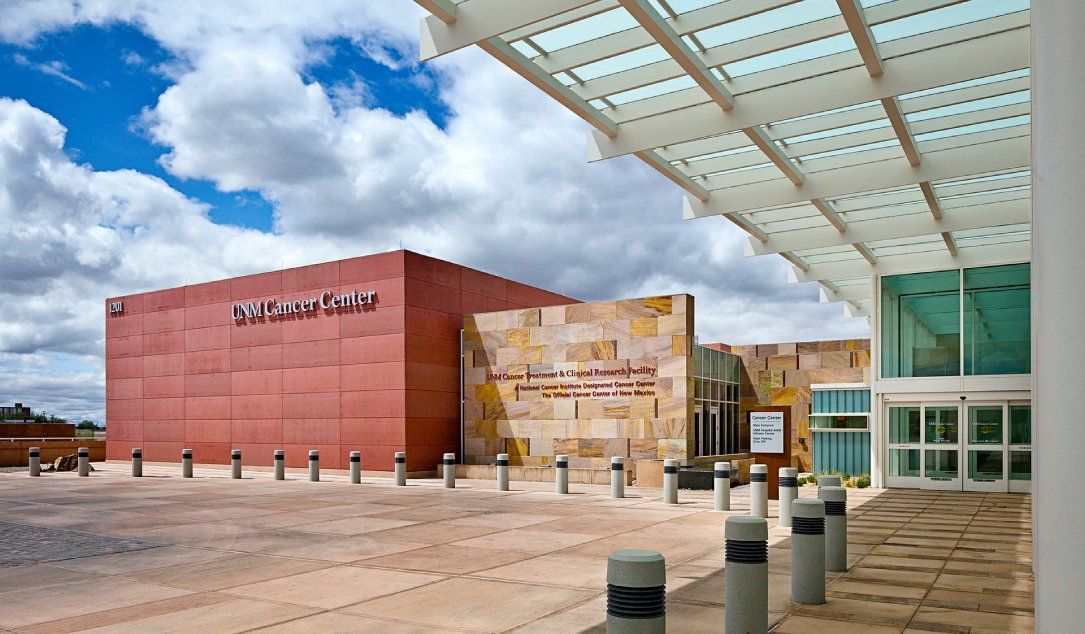
UNM Hospital Systems Restored After Ransomware Attack, No Ransom Paid
The University of New Mexico’s Health Sciences Center recovered its clinical and research systems following a ransomware incident that disrupted ambulance routing and medical school classes. Defenders should review incident response logs, verify system integrity, and avoid engaging with attackers who claim to hold patient data.
Read briefing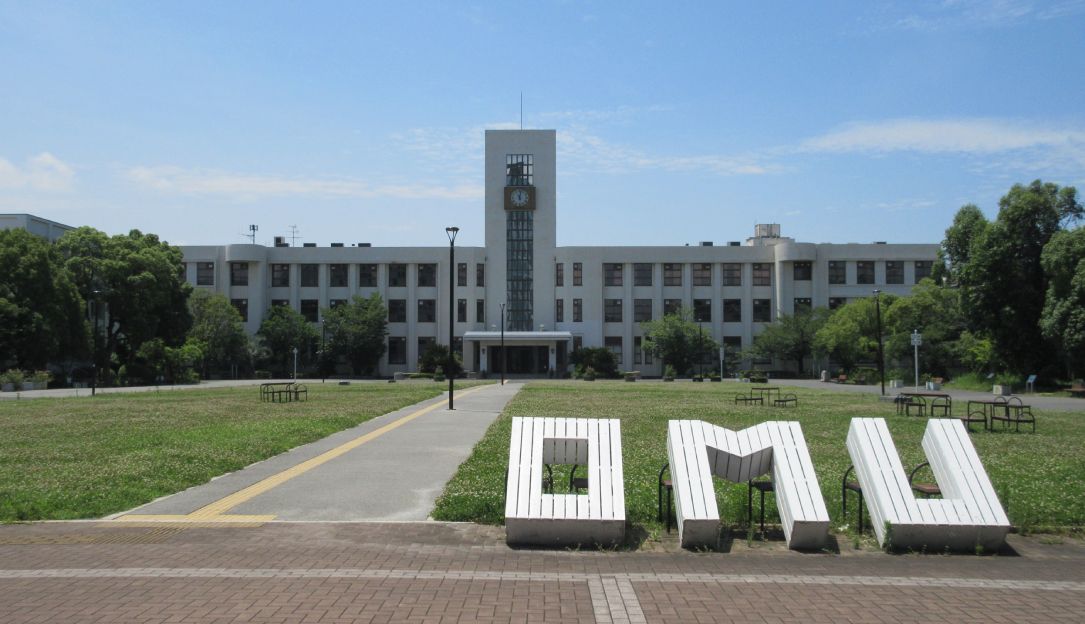
Osaka Metropolitan University Ransomware Attack Halts 500 Servers, Cancels Classes
A suspected ransomware attack disabled 500 servers at Osaka Metropolitan University, shutting down internal network, email, and key academic systems, forcing class cancellations. The incident exposed personal data of ~130,000 users and prompted investigation by external specialists. Defenders should review ransomware defenses, ensure backups, and monitor for similar disruptions.
Read briefing