
Threat Intel
Malicious Search Results Direct Users to Fraudulent Bitrefill Cryptocurrency Checkouts
Fraudulent lookalike domains mimicking the legitimate cryptocurrency payment platform Bitrefill are appearing in search results. These phishing sites present convincing payment flows that trick victims into transferring irreversible crypto directly to attacker-controlled addresses.
What Happened
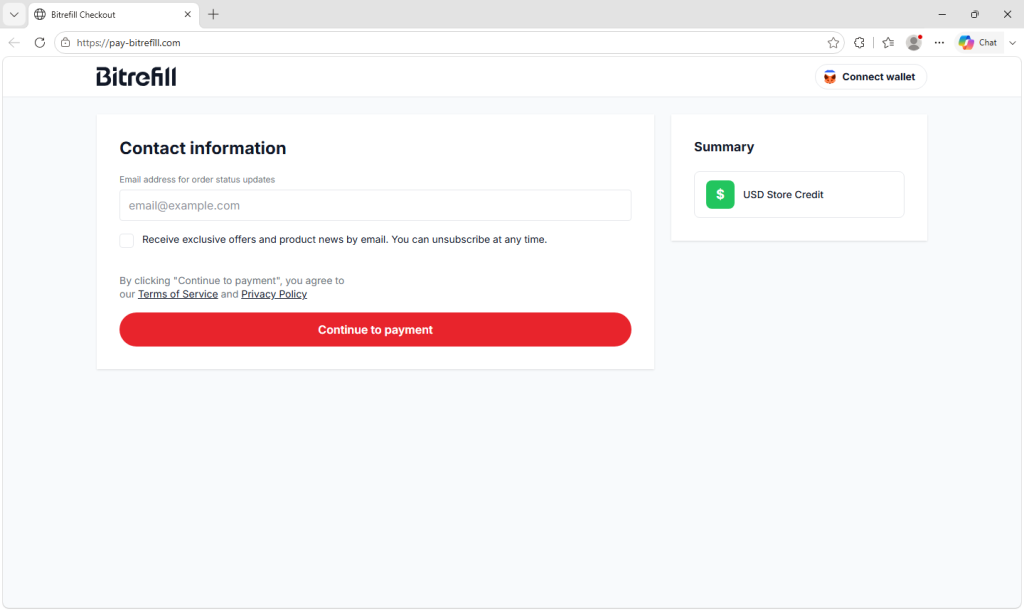
Threat actors are poisoning search engine results to serve high-fidelity lookalike domains mimicking Bitrefill, a legitimate service that accepts cryptocurrency for gift cards, eSIMs, and mobile top-ups. Victims searching for the platform or associated products land on polished clone sites featuring identical branding, functional checkout layouts, and standard user prompts such as email collection and privacy policies.
Impact
During the checkout process, the fraudulent interface generates a QR code and a cryptocurrency payment address. Rather than funding a legitimate purchase, users transfer funds directly to actor-controlled wallets. Because the transactions utilize cryptocurrency, they are irreversible. Security researchers observed transaction limits reaching up to $1,990 per checkout on these fraudulent infrastructures.
Why the Tactic Succeeds
Unlike traditional credential harvesting attacks that require multi-factor authentication bypasses and account monetization steps, this scheme relies on direct financial transfer. The request for cryptocurrency appears entirely natural because the legitimate brand natively accepts digital assets, significantly lowering victim suspicion during the payment phase.
What Defenders and Users Should Do
- Verify explicit URL accuracy before interacting with payment gateways or entering sensitive data from search engine results.
- Implement organization-wide user awareness training highlighting the risks of brand impersonation via sponsored or optimized search listings.
- Deploy DNS filtering and secure web gateways to block recently registered domains incorporating targeted brand names.
- Advise staff and internal users to rely on bookmarked or directly typed domain names when accessing financial or cryptocurrency services.
Related articles
Malwarebytes Updates Browser Guard with Pre-Click Search Reputation and On-Page Scam Analysis
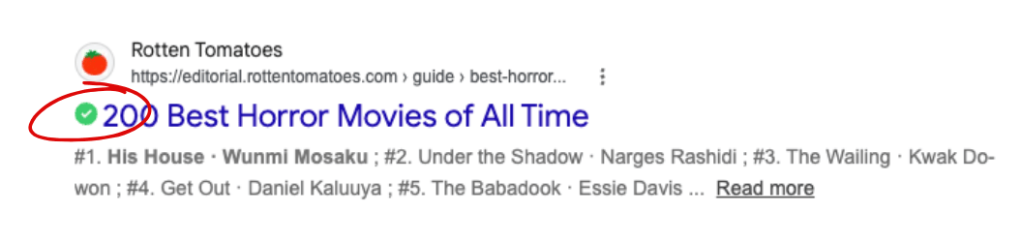
Malwarebytes has released new updates to its Browser Guard extension, introducing Search Reputation ratings for major search engines and Scam Guard Lite for on-page threat analysis in Google Chrome. These additions aim to assist users and defenders in identifying malicious links and fraudulent pages prior to interaction.
Read briefing
AI Platforms Become New Attack Vectors: Hackers Hijack Claude, ChatGPT and More
As AI tools like Claude, ChatGPT and Grok become integral to daily workflows, threat actors are turning these trusted platforms into launchpads for malware, phishing, and data theft. By weaponizing shareable AI artifacts, exploiting sponsored search results and embedding malicious instructions in seemingly legitimate AI conversations, attackers can deliver ransomware, credential stealers and other payloads with minimal user suspicion. Recent campaigns—FakeAgent’s Claude Artifact redirect to SectopRAT and a fake Apple‑support guide on claude.ai/share that installs the MacSync stealer—show how q
Read briefing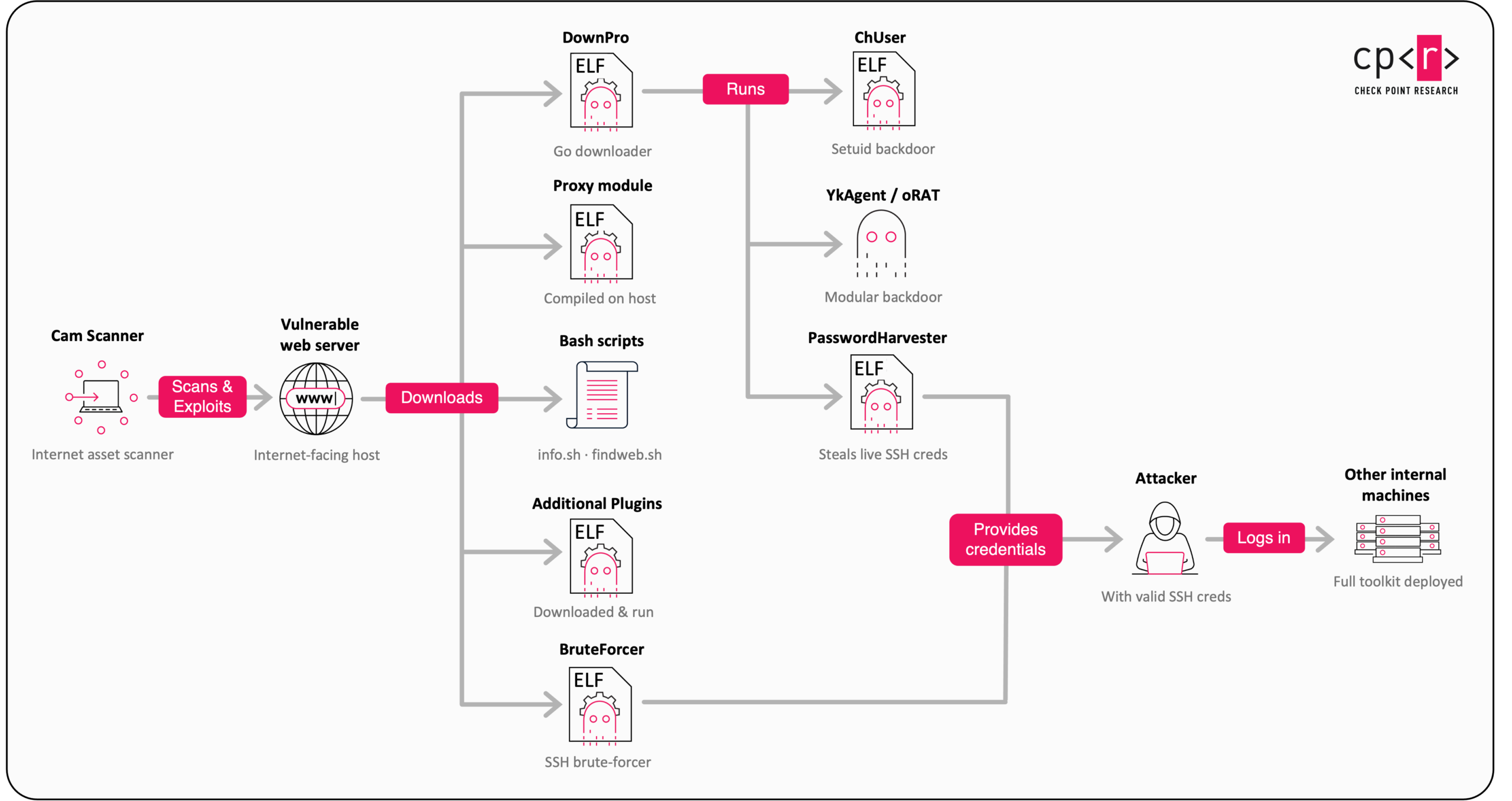
Chinese‑speaking gang hijacks Brazilian government sites to weaponise SEO for phishing and gambling scams
Since mid‑2025, a Chinese‑speaking cyber‑crime cluster dubbed Gambling Goblin has been infiltrating Brazilian government and educational web servers. By installing custom Apache modules, the attackers silently reverse‑proxy visitors to a vast network of phishing pages that masquerade as trusted app stores. The compromised high‑reputation domains are then leveraged to boost the attackers’ own content in search results, driving traffic to gambling and sports‑betting sites. The group deploys a heavily obfuscated Linux toolkit—including backdoors, credential stealers and reconnaissance agents—maki
Read briefing
WaterPlum Infected 30,000 Devices via Job‑Seeking Phishing, Stole $10.7M in Crypto
From December 2025 to July 2026, the North Korean group WaterPlum compromised over 30,000 devices worldwide, siphoning more than $10.7 million in cryptocurrency. The campaign, part of the “Contagious Interview” effort, lured job seekers with malicious npm packages and fake interview prompts. Defenders should vet third‑party code, monitor npm traffic, and enforce application whitelisting.
Read briefing