
Threat Intel
Phishing Campaign Targets YouTube Creators with Fake Amazon Music Deal
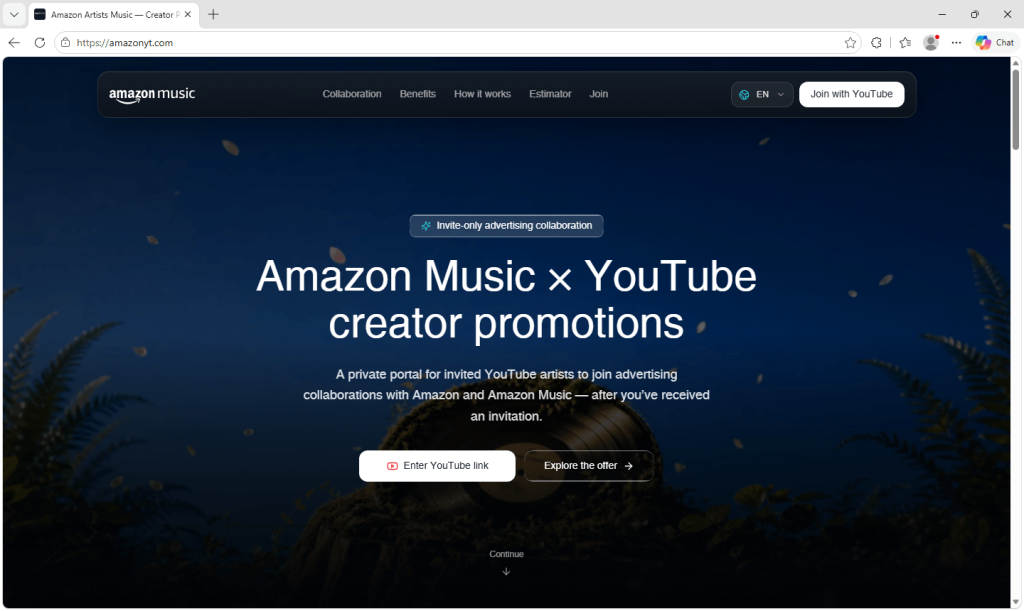
A new phishing site masquerades as an Amazon Music partnership, displaying real YouTube channel metrics and prompting creators to log in with Google credentials. The scheme harvests login details, risking account takeover. Defenders should verify offers, monitor suspicious activity, and enforce multi‑factor authentication.
What happened
A wave of websites surfaced that claim to offer YouTube creators an exclusive Amazon Music advertising partnership. The pages display the visitor’s own YouTube statistics—subscriber count, watch hours, and revenue figures—pulled from the YouTube API. After a brief “verification” step, the site promises a personalized commission structure.
Instead of a legitimate partnership, the verification step is a phishing prompt that asks for the creator’s Google account credentials. Once the credentials are entered, the attacker can access the Google account, YouTube channel, and any linked services.
Who is affected
Any YouTube creator who receives an unsolicited invitation to a new Amazon Music deal is at risk. The threat is tailored to channels that are part of the YouTube Partner Program or the YouTube Shopping Affiliate Program, as these are the only groups eligible for real Amazon collaborations.
Because the phishing site displays real channel data, it can deceive even experienced creators who trust the authenticity of the metrics. The attack does not discriminate by channel size; both small and large creators can be targeted.
Impact
Compromise of a Google account grants attackers full control over the associated YouTube channel. This includes the ability to delete videos, alter channel settings, and publish malicious content. The attacker can also access billing information, potentially incurring charges on the creator’s Google Cloud or Google Ads accounts.
Beyond immediate account takeover, credential reuse can lead to lateral movement into other cloud services, email accounts, and corporate networks if the same credentials are used elsewhere.
Exposure
The phishing site uses a domain that mimics official Amazon or YouTube URLs, often with subtle misspellings or additional subdomains. The page’s SSL certificate is valid, which can lull users into trusting the site. The displayed channel statistics are fetched via the YouTube Data API, giving the page a veneer of legitimacy.
Once credentials are harvested, attackers can log into the Google account from any device, bypassing basic security controls. If multi‑factor authentication (MFA) is not enabled, the attacker can immediately gain full access.
What to do
Defenders should adopt a multi‑layered approach to protect creators and their accounts. The following actions are recommended:
- Verify any unsolicited partnership offers by contacting the official Amazon or YouTube support channels directly.
- Check the browser address bar for the exact domain; legitimate Amazon or YouTube URLs use the official domains (amazon.com, youtube.com).
- Require all creators to enable two‑factor authentication on their Google accounts.
- Implement a policy that blocks login attempts from unfamiliar IP addresses or devices, and alert on repeated failed attempts.
- Educate creators to avoid entering credentials on any site that asks for Google sign‑in outside of the official Google sign‑in flow.
- Use a web filtering solution that blocks known phishing domains and alerts on suspicious URL patterns.
- Regularly review account activity logs in Google Admin Console and look for unfamiliar sign‑ins or changes to channel permissions.
What to watch
Attackers may evolve the phishing site to include additional social engineering tactics, such as offering instant payouts or claiming a partnership with a popular music streaming service. They may also use compromised legitimate domains to host the malicious page.
Keep an eye on new phishing campaigns that target content creators, especially those that leverage real API data to appear authentic. Monitoring threat intelligence feeds and subscribing to phishing alert services can help detect emerging threats early.
“The key to stopping credential theft is to make the attacker’s job harder than the victim’s.”
Related articles

Milk Dragon Phishing Kit Exploits Social‑Media Discount Ads
Milk Dragon, an AiTM phishing kit launched in October 2025, lures victims with fake discount offers on Facebook and TikTok marketplace ads. The campaign targets consumers shopping for consumer goods and can compromise credentials and personal data. Defenders should block suspicious links, verify ad URLs, and deploy XDR and MFA.
Read briefing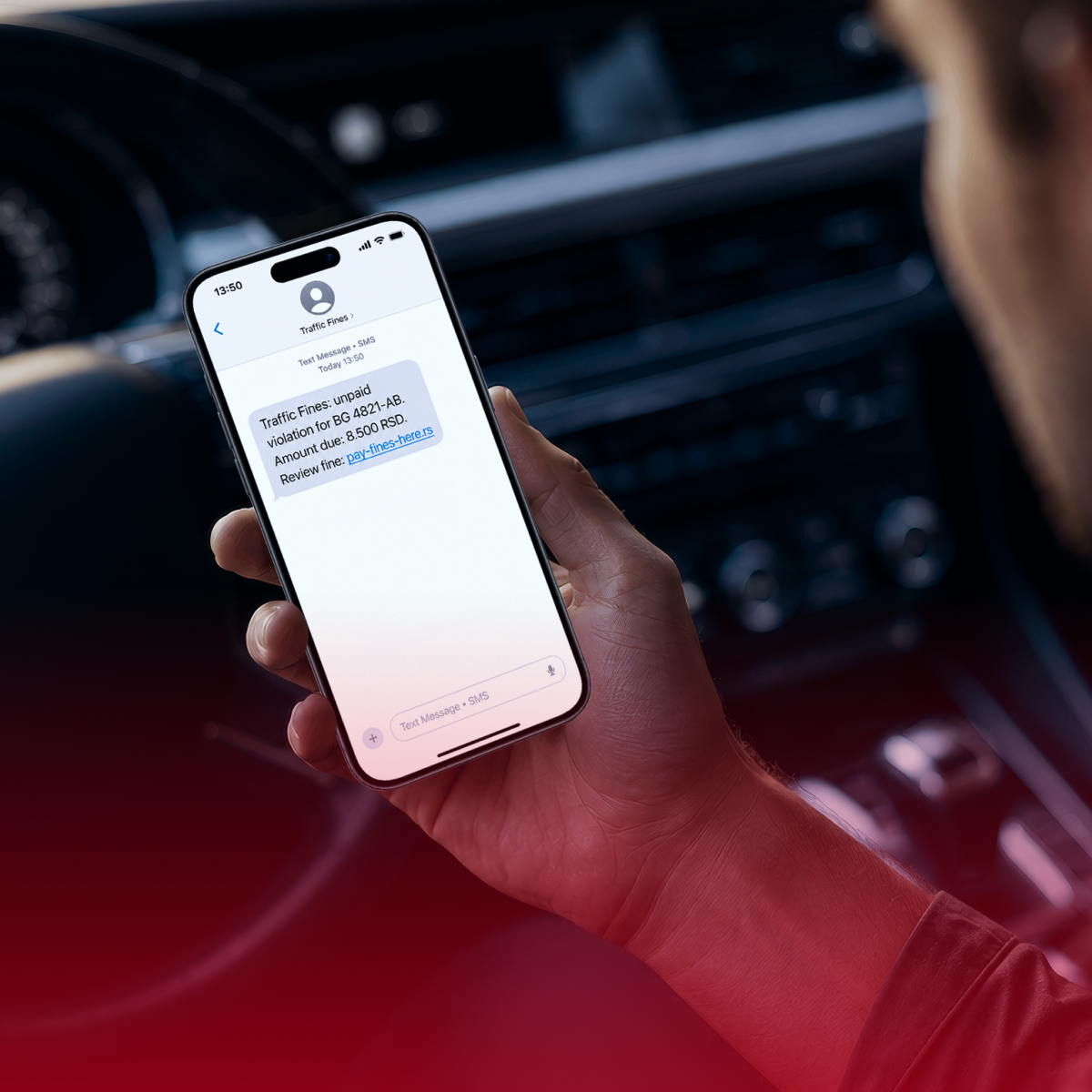
SMS Phishing Targeting Serbian Road Users via Fake State Authority – Global Threat
An SMS phishing operation impersonating Serbia’s state road authority has been linked to the Darcula and Phoenix PhaaS platforms, affecting motorists in Serbia and other countries. The campaign uses spoofed numbers and fake traffic fines to lure victims into revealing credentials. Defenders should verify SMS authenticity, block spoofed numbers, and monitor for related phishing indicators.
Read briefing
Saudi Manpower Provider Scam: 1,001 Fake Domains Identified by Group‑IB
Group‑IB uncovered 1,001 domains used in a phishing campaign that impersonated a Saudi manpower provider, targeting users in KSA. Defenders should block these domains, update filtering rules, monitor for new registrations, and educate users to mitigate credential theft and potential malware delivery.
Read briefing
Cobalt Gang 2019 Phishing Campaign Targeting Global Financial Institutions
In 2019, the Cobalt Gang executed a sophisticated phishing operation aimed at financial institutions worldwide. The campaign leveraged spear‑phishing emails with malicious attachments to gain initial access. Defenders should review email filtering rules, enforce MFA, and conduct targeted user training.
Read briefing