
Threat Intel
ClearFake Campaign Uses WebDAV and Fake CAPTCHA Lures to Deploy Amatera Stealer
Cybersecurity researchers have uncovered a new ClearFake infection campaign that leverages fake Google CAPTCHA prompts and WebDAV shares to distribute the Amatera information stealer. The multi-stage attack tricks users into running malicious commands, resulting in the deployment of secondary payloads such as ZigCryptoStealer, a Go-based reverse proxy, and unauthorized instances of NetSupport Manager. Activity targeting a Ukrainian government organization has been linked to a threat cluster tracked as UAT-10820.

Multi-Stage Infection Chains Exploit WebDAV Infrastructure
Threat actors are distributing the Amatera information stealer and several secondary payloads through a complex delivery mechanism utilizing WebDAV shares, Cloudflare Workers, and blockchain-based script storage. The campaign was initially identified following suspicious DLL execution over a WebDAV path within a Ukrainian government network.
The infection flow begins when victims visit compromised websites displaying ClickFix prompts designed to imitate Google CAPTCHA verification checks. Unwitting users who follow the site's instructions execute malicious commands that fetch JavaScript code hosted on the BNB Smart Chain using Cloudflare Workers as a proxy layer.
Payload Diversity: From Crypto Theft to Remote Access
The compromised WebDAV delivery architecture uses 32-bit Windows system processes to trigger remote DLL payloads. Analysis revealed multiple loader branches tailored to deploy distinct secondary tools once initial access is established:
- ZigCryptoStealer & Proxying: One loader branch drops a NativeAOT loader that installs ZigCryptoStealer alongside a Go-based reverse proxy to maintain external connectivity.
- NetSupport Manager Deployment: A second loader branch, associated with activity tracked as UAT-10820, installs an unauthorized copy of the NetSupport Manager remote access tool configured to communicate with Russian command-and-control infrastructure.
While an instance of the attack directly affected a Ukrainian government entity, analysts assess with moderate confidence that the broader infrastructure represents a wide-reaching effort aimed at credential and cryptocurrency theft.
By blending social engineering lures like ClickFix with decentralized storage and WebDAV execution paths, the operators effectively conceal payload locations and evade traditional web filtering controls.
Related articles

Beyond Burnout: Mental Health Terms & a New WebDAV Attack
RootPwn dives into the nuanced language needed to describe the mental toll on cybersecurity professionals—moving past the generic term ‘burnout’ to concepts like secondary traumatic stress, vicarious trauma, and moral injury. The briefing also warns of a newly uncovered WebDAV infection chain, attributed to a Russian threat actor (UAT‑10820), that delivers the Amatera stealer and other crypto‑stealing payloads. Learn how to recognize these terms and stay ahead of the evolving threat landscape.
Read briefing
Milk Dragon Phishing Kit Exploits Social‑Media Discount Ads
Milk Dragon, an AiTM phishing kit launched in October 2025, lures victims with fake discount offers on Facebook and TikTok marketplace ads. The campaign targets consumers shopping for consumer goods and can compromise credentials and personal data. Defenders should block suspicious links, verify ad URLs, and deploy XDR and MFA.
Read briefing
TONResolver RAT Targets Japanese Hospitality Sector via Booking.com Phishing
A targeted phishing campaign observed in May 2026 deployed the TONResolver RAT against hotels and accommodation providers in Japan. Threat actors utilized Booking.com-themed lures to deliver the malware, which uniquely abuses the TON blockchain for command-and-control operations.
Read briefing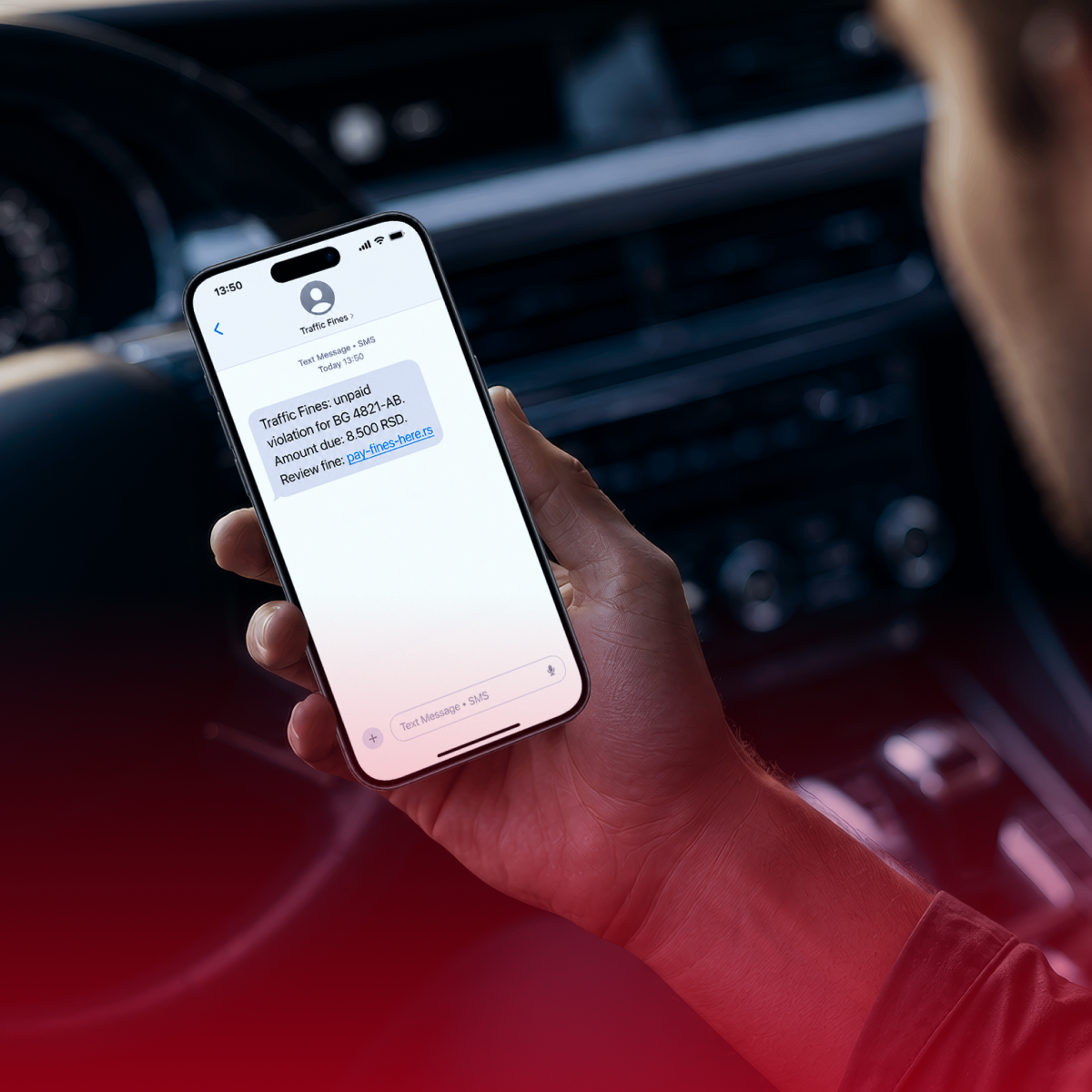
SMS Phishing Targeting Serbian Road Users via Fake State Authority – Global Threat
An SMS phishing operation impersonating Serbia’s state road authority has been linked to the Darcula and Phoenix PhaaS platforms, affecting motorists in Serbia and other countries. The campaign uses spoofed numbers and fake traffic fines to lure victims into revealing credentials. Defenders should verify SMS authenticity, block spoofed numbers, and monitor for related phishing indicators.
Read briefing