
Cybersecurity
Elastic SIEM Monthly Rule Scoring: Prioritizing Detection Rules
Elastic SIEM now auto‑scores its 2,100+ prebuilt detection rules each month using real‑world telemetry, assigning Noise, Performance, Threat, and Profile tags. Security teams can use these dynamic labels to enable the most effective rules first, reduce alert fatigue, and keep detection logic aligned with evolving environments.
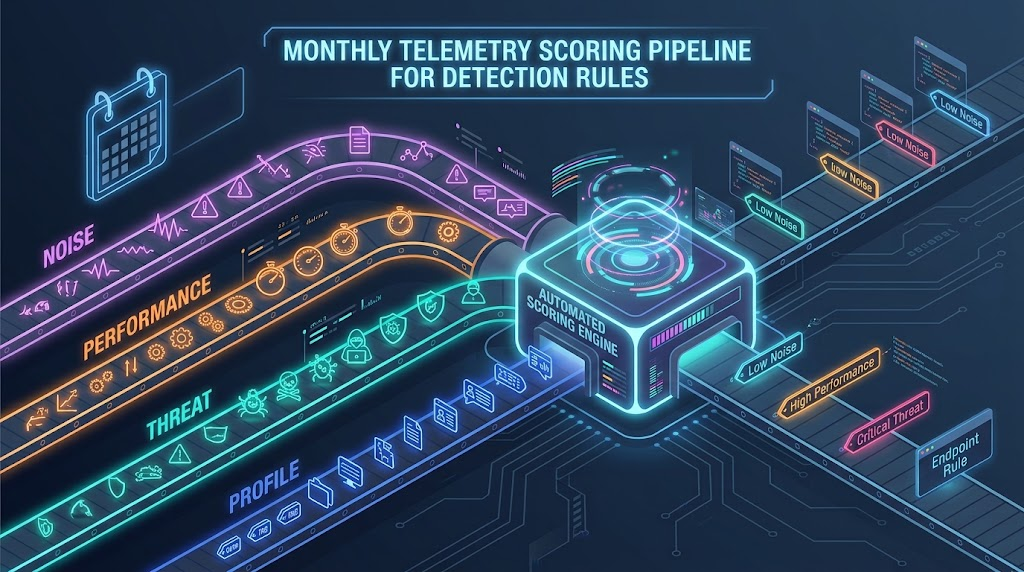
What Happened
Elastic Security released an automated telemetry pipeline that recalculates Noise, Performance, Threat, and Profile tags for every prebuilt SIEM rule every month. The update is driven by real deployment data rather than static defaults.
How It Works
The pipeline ingests a 30‑day window of telemetry from Elastic deployments. It evaluates alert volume, distinct cluster counts, firing density, and execution times for each rule. Combined with rule metadata (severity, age, platform, existing tags), the system deterministically assigns each rule to one of several buckets: Noise (Low/Medium/High/Unknown), Performance (Fast/Slow), Threat (High/Medium/Low), and Profile (Recommended/Aggressive/None). When heuristic data is missing, a fallback LLM classifies the Threat level.
Impact on Defenders
With 2,100+ rules, many teams struggle to decide which to enable. The new tags surface operational context: a rule that was quiet last month may become noisy after a platform upgrade, and a rule that was once aggressive may now be safe to enable. The monthly refresh keeps the rule set aligned with real‑world usage, reducing false positives and performance overhead.
What to Do
- Review the current Noise and Performance buckets for rules you plan to enable. Prioritize Low‑Noise, Fast rules first.
- Enable all rules tagged Profile: Recommended; consider Aggressive rules only after validating their impact.
- Use the Threat tags to focus on high‑severity detections in high‑risk environments.
- Set up alerts for rules that shift buckets between months; this can indicate changing threat landscapes or deployment changes.
- Keep the detection-rules repository up to date; merge the monthly PRs after the Security Labs review to stay current.
Related articles

Elastic Security Beta: Detection-as-Code Enhancements for Rule Lifecycle Automation
Elastic Security has released beta support for Detection-as-Code in the detection-rules repository, adding CLI commands for bulk rule import/export, unit testing, and CI/CD integration. Defenders can now move, validate, and version‑control rules more efficiently.
Read briefing
Elastic Security 9.3 Adds Tech‑Preview QRadar Rule Migration
Elastic Security 9.3 introduces a tech‑preview Automatic Migration for QRadar detection rules, allowing SecOps teams to translate Event, Flow, and Common rules—including reference sets and MITRE mappings—into Elastic‑native logic. Defenders can choose rule‑first or data‑first onboarding and verify integrations before production.
Read briefing
Elastic Launches Bounty Program for SIEM/EDR Rule Validation
Elastic has expanded its public bounty program to invite researchers to test and improve its SIEM and EDR detection rules on Windows endpoints. The initiative targets security teams using Elastic Security, encouraging them to review rule efficacy and report gaps. Defenders should monitor the HackerOne portal, review rule documentation, and incorporate findings into their detection strategy.
Read briefing
Elastic Defend Enhances Endpoint Detection with Kernel Call Stack Enrichment
Elastic Defend has added kernel‑level call stack enrichment to its rule set, giving defenders richer context for alerts. The feature improves false‑positive and false‑negative rates and makes alert explanations clearer. Enabling it can help SecOps teams quickly pinpoint the origin of suspicious activity.
Read briefing