
Threat Intel
Flock Safety ALPR Firmware Exposes Human Tracking Capabilities and Broad Data Sharing
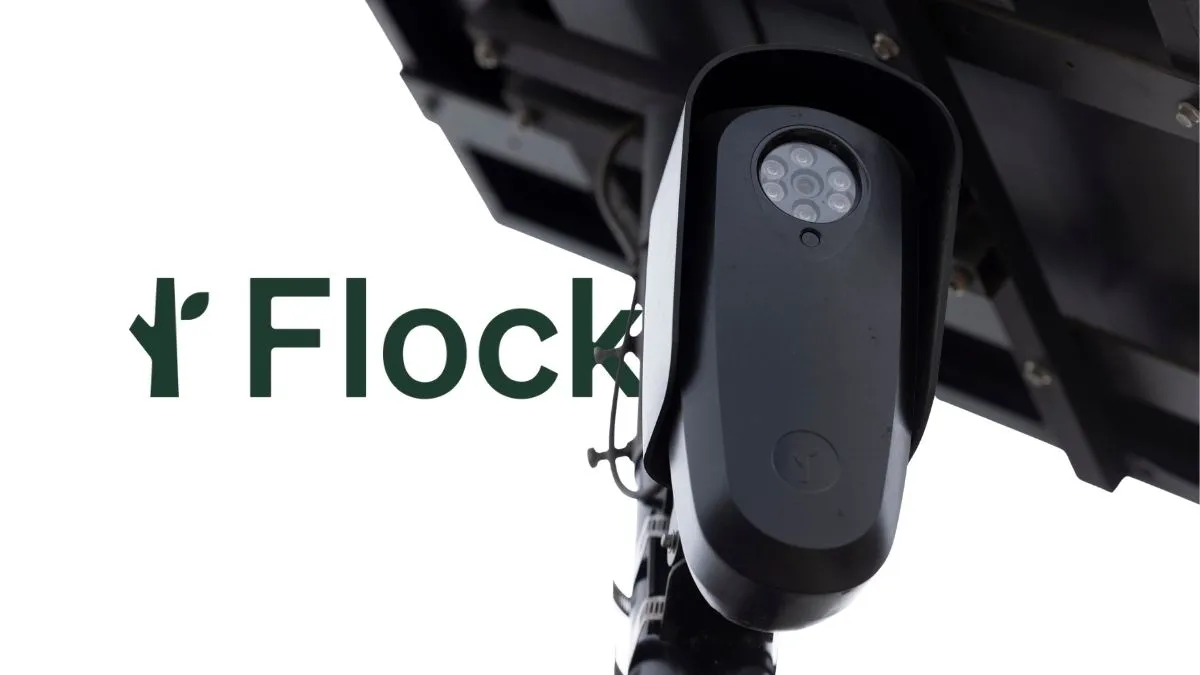
Recent investigations into physically recovered Flock Safety ALPR hardware reveal on-device software models capable of tracking pedestrians, bicycles, and vehicles. Independent reports also highlight expansive inter-agency data sharing and internal misuse by law enforcement, raising significant privacy and operational security concerns for defenders operating in municipal environments.
What Happened
Independent security investigations, utilizing data recovered from a physically extracted Flock Safety automated license plate reader (ALPR), revealed that the device's on-device software explicitly detects pedestrians and cyclists alongside traditional vehicle and license plate data. Despite manufacturer claims of robust on-device encryption, researchers were able to bypass storage protections using a recovered encryption key to analyze thousands of detection records and embedded machine learning models.
Impact
While the analysis found no active facial recognition capabilities deployed on the examined hardware, the system's ability to consistently log human and vehicle presence enables comprehensive movement profiling. Correlating pedestrian sightings with vehicle telemetry creates granular behavioral histories. Furthermore, investigative findings show that collected data is accessible to thousands of disparate entities, including various municipal, academic, and federal oversight bodies. In Washington DC, internal union complaints revealed that the Metropolitan Police Department leveraged the network to covertly track internal personnel during internal affairs investigations.
What to Do
SecOps and municipal IT administrators must audit deployment scopes and data-sharing agreements associated with automated surveillance infrastructure.
- Review Memorandum of Understanding (MOUs) to restrict third-party agency access to ALPR and optical sensor feeds.
- Perform comprehensive data flow mapping to identify where captured optical data and metadata are stored, processed, and replicated.
- Evaluate physical security controls for roadside camera deployments to prevent hardware extraction and unauthorized firmware analysis.
- Establish strict internal oversight policies regarding the authorized use of municipal sensor data for personnel tracking.
Related articles
U.S. Bills Target ALPR Networks, Implying New Compliance for Defenders
Two new U.S. bills—Stop Flock Abuse Act and Ban Flock Act—aim to regulate automated license plate reader networks, imposing audit, encryption, data‑retention, and data‑sharing restrictions. Defenders with ALPR deployments must review compliance and adjust systems accordingly.
Read briefing
Flock Camera Firmware Leak Exposes Unencrypted Key for ALPR Data
A captured Flock camera’s firmware was reverse‑engineered, revealing an unencrypted key that unlocks the device’s encrypted storage. The analysis shows the camera records millions of images and can detect people, vehicles, license plates, and even graphics such as bumper stickers. Defenders should verify key storage practices, update firmware, and monitor for anomalous image generation.
Read briefing
DMDC File‑Sharing Server Breach Exposes 3 Million DoD Personnel Records
The Defense Manpower Data Center (DMDC) confirmed that a security flaw in its file‑sharing system allowed unauthorized users to read unencrypted personal data for roughly nine months. The breach, discovered in mid‑July 2026, exposed PII for about 3 million Department of Defense personnel. Defenders should verify DMDC system patches, monitor for suspicious activity, and review access controls on file‑sharing services.
Read briefing
Proofpoint Expands AI Investigations to Microsoft 365 and Insider Risk Platforms
Proofpoint has rolled out updates to its security portfolio, adding AI-powered investigative capabilities for Microsoft 365 environments alongside enhanced tracking for enterprise AI usage. The updates aim to streamline incident triage and improve visibility into potential data exfiltration vectors involving generative AI tools.
Read briefing