
Vulnerabilities
Flock Camera Firmware Leak Exposes Unencrypted Key for ALPR Data
A captured Flock camera’s firmware was reverse‑engineered, revealing an unencrypted key that unlocks the device’s encrypted storage. The analysis shows the camera records millions of images and can detect people, vehicles, license plates, and even graphics such as bumper stickers. Defenders should verify key storage practices, update firmware, and monitor for anomalous image generation.

What Happened
Security researchers captured a Flock ALPR camera and extracted its firmware. Analysis of the recovered data uncovered a plaintext key stored on an unencrypted partition that decrypts the device’s main storage. The camera’s computer‑vision engine records dozens of images per passing vehicle, generating over a million images in a few weeks of logs, and can detect people, vehicles, license plates, bicycles, and even specific graphics such as bumper stickers.
Impact
Anyone deploying Flock cameras is at risk of having their entire image archive exposed if the device is compromised. The plaintext key means an attacker can decrypt stored data without needing to crack encryption. The volume of captured imagery also raises privacy concerns for individuals and vehicles recorded by the system.
What to Do
Defenders should:
- Verify that firmware images do not contain plaintext keys or other secrets.
- Apply any vendor‑released firmware updates that address key storage and encryption practices.
- Implement strict access controls on camera storage and network interfaces.
- Monitor logs for unusually high image capture rates or anomalous image content.
- Consider disabling or limiting the camera’s image‑capture frequency if privacy or storage constraints exist.
Key storage in clear text is a fundamental design flaw; secure key management must be enforced in all embedded devices.
Related vulnerabilities

U.S. Bills Target ALPR Networks, Implying New Compliance for Defenders
Two new U.S. bills—Stop Flock Abuse Act and Ban Flock Act—aim to regulate automated license plate reader networks, imposing audit, encryption, data‑retention, and data‑sharing restrictions. Defenders with ALPR deployments must review compliance and adjust systems accordingly.
Read briefing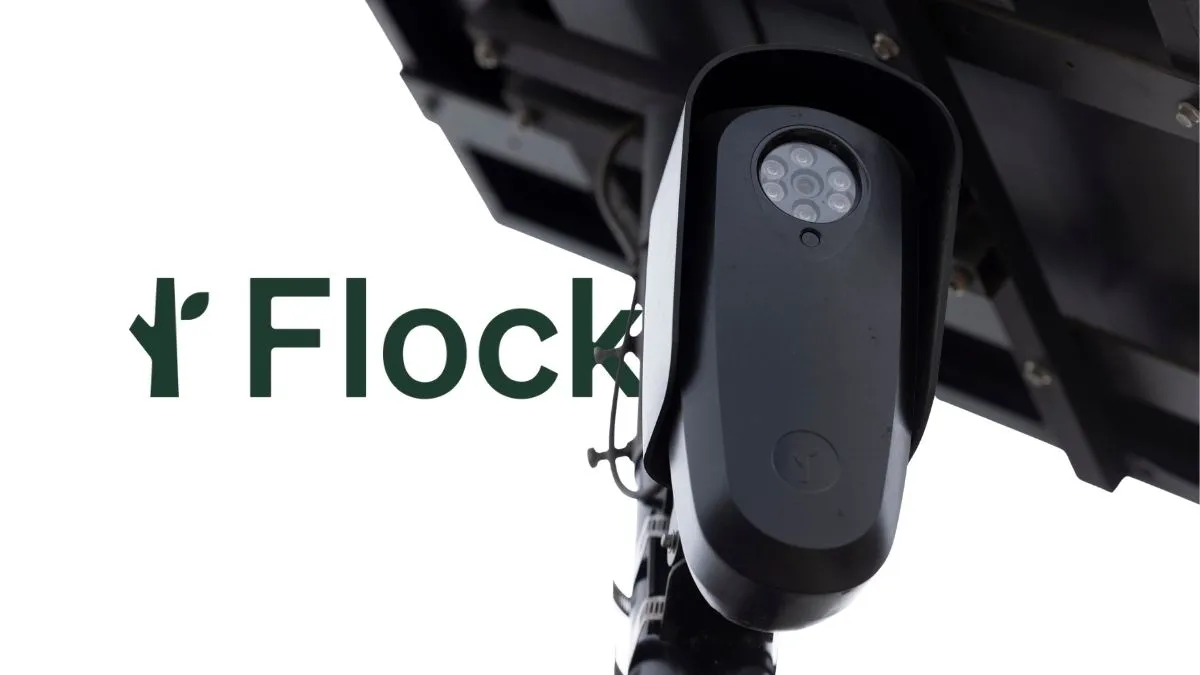
Flock Safety ALPR Firmware Exposes Human Tracking Capabilities and Broad Data Sharing
Recent investigations into physically recovered Flock Safety ALPR hardware reveal on-device software models capable of tracking pedestrians, bicycles, and vehicles. Independent reports also highlight expansive inter-agency data sharing and internal misuse by law enforcement, raising significant privacy and operational security concerns for defenders operating in municipal environments.
Read briefing
DMDC File‑Sharing Server Breach Exposes 3 Million DoD Personnel Records
The Defense Manpower Data Center (DMDC) confirmed that a security flaw in its file‑sharing system allowed unauthorized users to read unencrypted personal data for roughly nine months. The breach, discovered in mid‑July 2026, exposed PII for about 3 million Department of Defense personnel. Defenders should verify DMDC system patches, monitor for suspicious activity, and review access controls on file‑sharing services.
Read briefing
Chromium CVE-2026-95312: Password Information Leak in Edge
A flaw in Chromium’s password handling can leak credentials. Microsoft Edge users are affected and should update immediately. Defenders should verify patch status and monitor for exposed data.
Read briefing