
Threat Intel
Largest Network of Fake Card Shops Discovered – Phishing Sites Mimicking Legitimate Card Retailers
Group‑IB has mapped the biggest ever network of counterfeit card‑shop websites that masquerade as legitimate merchants. The sites harvest card details and personal data from unsuspecting shoppers. Defenders should block the domains, update web‑filtering lists, and educate users on spotting spoofed storefronts.

What happened
Group‑IB identified a sprawling network of phishing sites that present themselves as card‑shop retailers. The sites use convincing branding, fake product pages, and secure‑looking checkout flows to trick users into entering payment information. The operation appears to be coordinated and spans multiple TLDs.
Impact
Customers of legitimate card‑shop brands are at risk of having their card numbers, CVV, and billing addresses stolen. The stolen data can fuel card‑present fraud, identity theft, and further phishing campaigns. Merchants may suffer brand damage and regulatory penalties.
What to do
Defenders should take the following actions:
- Block the identified domains and IP ranges in firewalls and DNS filtering solutions.
- Update threat‑intelligence feeds to include the new phishing URLs.
- Enable multi‑factor authentication for all e‑commerce platforms.
- Run user‑education campaigns highlighting the look‑and‑feel of spoofed card‑shop sites.
- Monitor transaction logs for anomalous card‑present activity and flag suspicious orders for manual review.
- Coordinate with payment processors to detect and halt fraudulent transactions originating from the identified sites.
Mitigation
Deploy web‑filtering and sandboxing tools that can detect phishing content. Use TLS inspection to verify that legitimate merchants use valid certificates. Consider implementing a “card‑shop” whitelist that only allows transactions through verified merchant domains.
“The scale of this operation underscores the need for continuous threat‑intel sharing and proactive domain blocking.”
Related articles
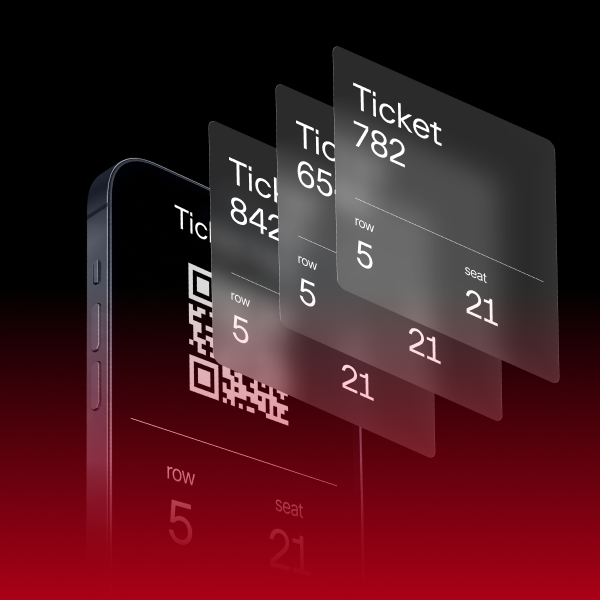
Fake Celine Dion Ticket Scam Targets Fans via Social Media and Impersonating Sites
Group‑IB uncovered a multi‑layered phishing scheme selling counterfeit Celine Dion concert tickets. The attack uses social‑network messages and spoofed distributor sites to lure buyers. Defenders should block malicious domains, monitor for ticket‑related phishing, and educate users.
Read briefing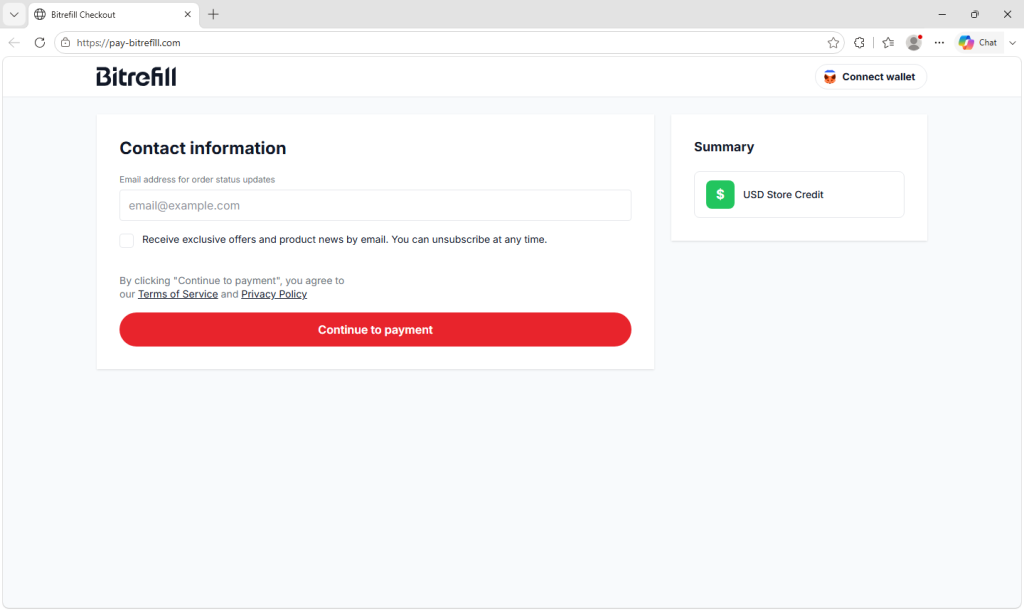
Malicious Search Results Direct Users to Fraudulent Bitrefill Cryptocurrency Checkouts
Fraudulent lookalike domains mimicking the legitimate cryptocurrency payment platform Bitrefill are appearing in search results. These phishing sites present convincing payment flows that trick victims into transferring irreversible crypto directly to attacker-controlled addresses.
Read briefing
Fake Tax Authority Emails Deploy Crypto Drainers – How to Detect and Block
Scammers are sending emails that appear to come from European tax authorities, luring recipients into clicking malicious links that install crypto‑draining malware. The attacks target individuals and organizations across Europe, using spear‑phishing with legitimate‑looking URLs and attachments. Defenders should verify sender domains, enable email authentication, block known malicious URLs, and monitor for unauthorized wallet activity.
Read briefing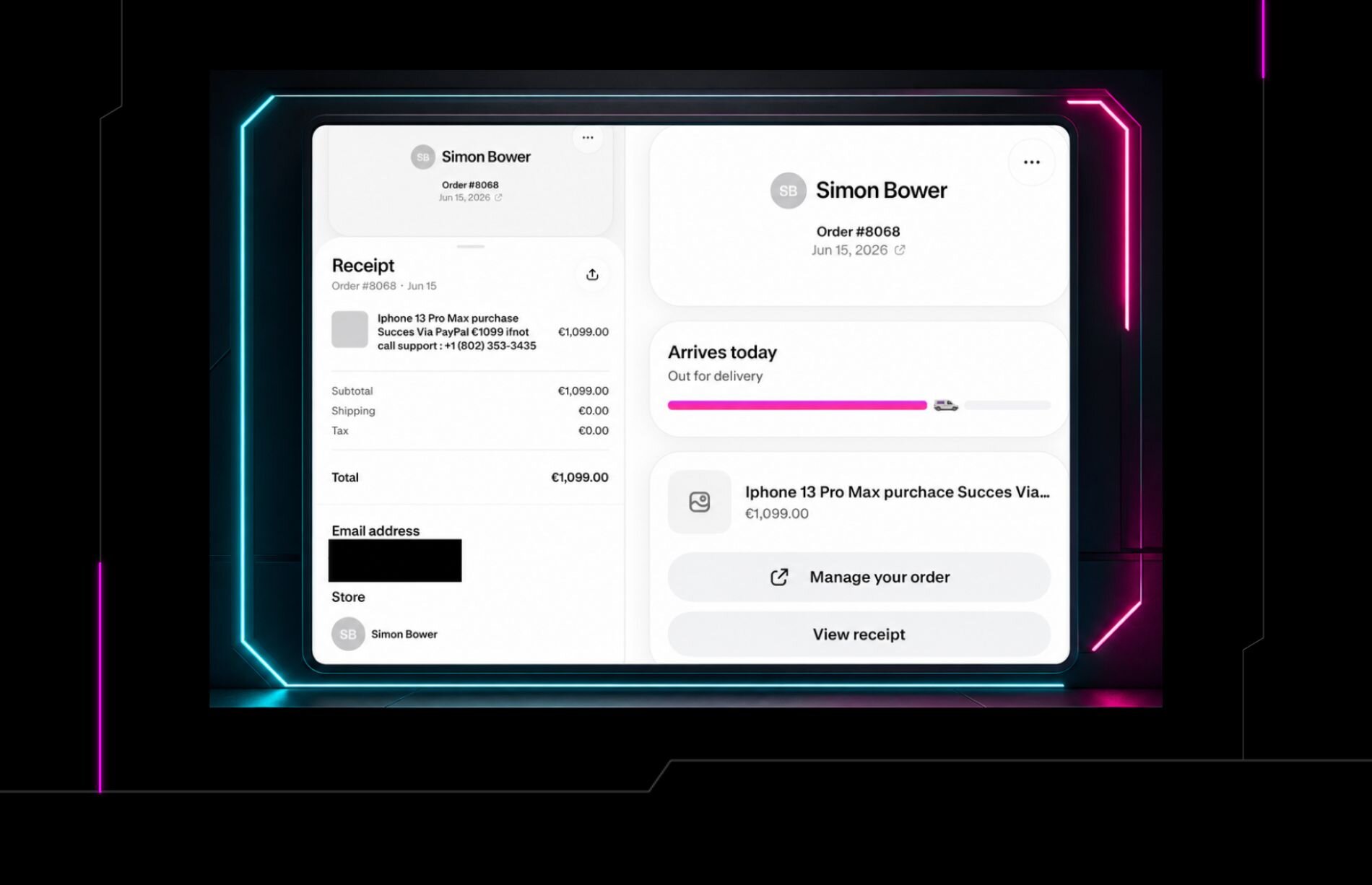
Shopify Shop App Fake Refund Scam Targets Users – Immediate Defensive Actions
A phishing‑style scam is exploiting the Shopify Shop app by sending fake refund requests that appear legitimate. Merchants risk approving non‑existent refunds, leading to financial loss. Defenders should verify refund authenticity, update the app, enforce 2FA, and monitor for suspicious activity.
Read briefing