
Threat Intel
Fraud Network Exploits Legitimate Payment Authorisations to Funnel $187 Million
A $187 million fraud network has been uncovered, using authorised payment transactions as a front to move illicit funds. The scheme targets merchants and payment processors, exposing them to financial loss and reputational risk. Defenders should audit transaction patterns, integrate threat‑intel feeds, and tighten merchant onboarding to mitigate similar attacks.

What Happened
A recent investigation uncovered a $187 million fraud network that leveraged legitimate payment authorisations to funnel money. The scheme used authorised transactions as a front, masking illicit activity behind seemingly normal merchant payments.
Impact
Financial institutions, merchants and payment processors that accepted these authorisations are exposed to significant financial loss and reputational damage. The network’s scale indicates widespread compromise of payment systems and potential data exfiltration.
What Defenders Should Do
- Review transaction logs for patterns of authorised payments that later reverse or trigger disputes.
- Implement transaction‑level anomaly detection to flag high‑volume, rapid‑succession authorisations.
- Coordinate with fraud‑intelligence feeds to identify known merchant IDs or IP ranges linked to the network.
- Enforce stricter merchant onboarding and continuous monitoring to detect compromised accounts.
- Maintain incident‑response playbooks that include isolation of affected merchant accounts and forensic analysis of payment flows.
Mitigation & Monitoring
Deploy real‑time monitoring of payment authorisations, integrate threat‑intel feeds, and conduct regular penetration tests on merchant interfaces to uncover hidden backdoors.
Related vulnerabilities
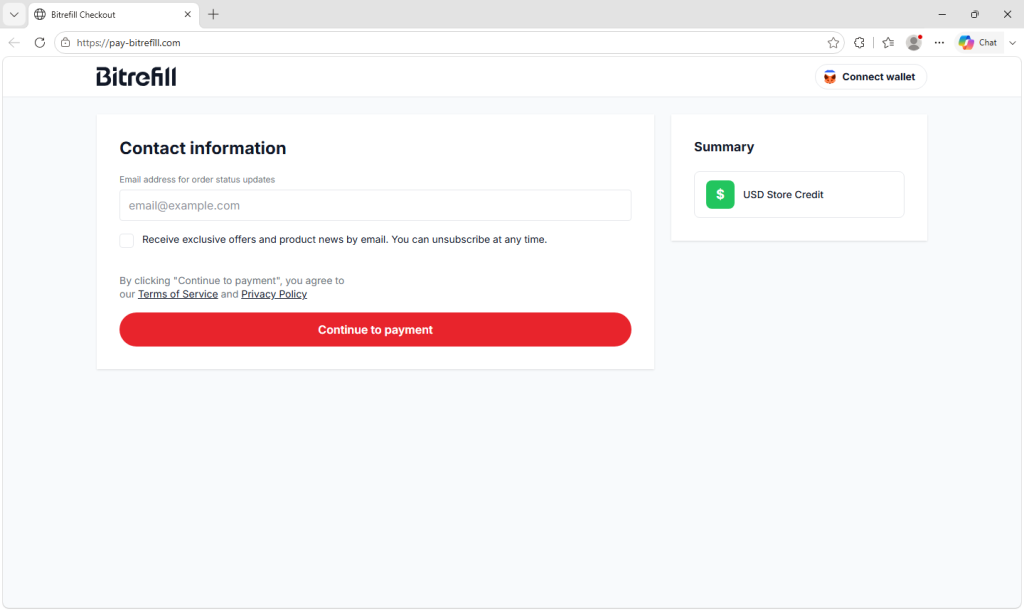
Malicious Search Results Direct Users to Fraudulent Bitrefill Cryptocurrency Checkouts
Fraudulent lookalike domains mimicking the legitimate cryptocurrency payment platform Bitrefill are appearing in search results. These phishing sites present convincing payment flows that trick victims into transferring irreversible crypto directly to attacker-controlled addresses.
Read briefing
Real‑Time Fraud Intelligence Stops APP Fraud Before Losses
Group‑IB’s real‑time intelligence network intercepted APP fraud attempts before account activation, stopping mule accounts during the warm‑up phase. Defenders can integrate the Unified Risk Platform to detect and block suspicious accounts early, protecting merchants and users.
Read briefing
Fragmented Fraud Marketplaces Shift: New MITRE Framework Guides Defenders
Large fraud marketplaces have collapsed, pushing actors to niche social‑media and dark‑web shops that sell server infrastructure, targeted lists, and money‑laundering services. Security teams must broaden monitoring to these fragmented channels, ingest varied data types, and apply the new MITRE Fraud framework to prioritize detection and response.
Read briefing
Google Pixel 10 Exploits Earned $560,000 at Pwn2Own
At Pwn2Own Ireland 2026, three teams extracted more than $560,000 from Google Pixel 10 devices by chaining zero‑day and known flaws. The attacks demonstrate that even mainstream Android phones can be compromised via remote code execution. Defenders should prioritize patching, monitor for suspicious network activity, and enforce least‑privilege policies on mobile endpoints.
Read briefing