
Threat Intel
LDAP Ping Detection: Why Event 1644 Falls Short and How to Spot It
Attackers use LDAP ping for lateral movement, but Windows Event 1644 logs miss this activity. Defenders can still detect LDAP ping through netlogon.log and other audit sources. Implement targeted monitoring to close the blind spot.
What Happened
Recent analysis shows that LDAP ping traffic, a common lateral movement technique, is not captured by Windows Security Event 1644 logs. Attackers exploit this gap to move through an environment without triggering the expected audit trail.
Why Event 1644 Misses It
Event 1644 records authentication attempts that succeed or fail, but LDAP ping is a lightweight, stateless request that does not result in a full authentication transaction. Consequently, the event generator does not emit a record for this traffic.
How Defenders Can Detect LDAP Ping
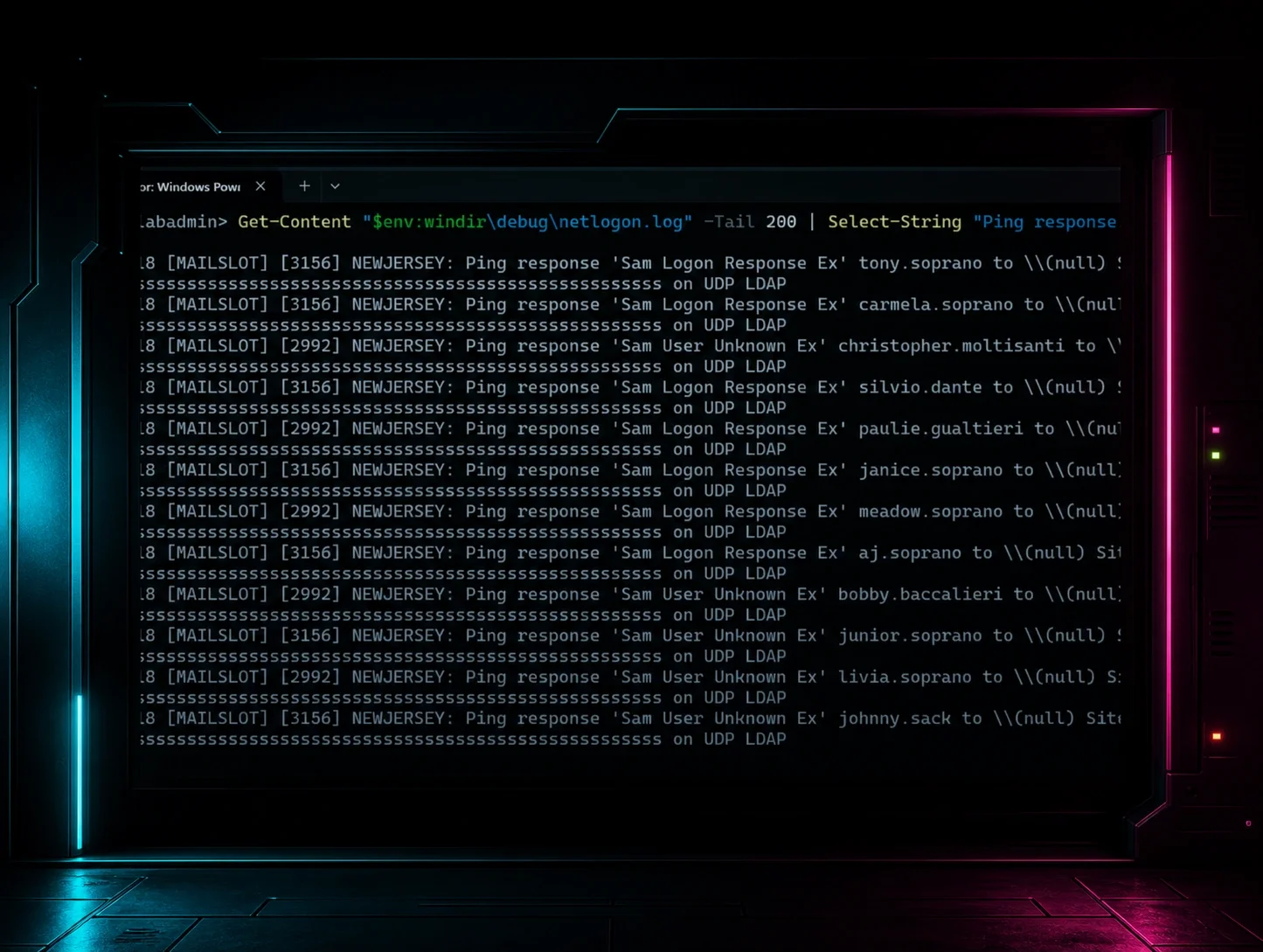
Netlogon.log and other system logs still record the underlying RPC and DNS queries associated with LDAP ping. By correlating these entries with unusual account activity or unexpected domain controller communication, defenders can surface the hidden movement.
What to Do
- Enable and retain netlogon.log on all domain controllers.
- Configure SIEM to parse netlogon.log for LDAP ping patterns (e.g., repeated SRV queries).
- Set alerts for anomalous LDAP traffic volumes or unfamiliar source IPs.
- Apply least‑privilege controls to service accounts that perform LDAP queries.
Related articles

Using Auditd and Auditd Manager for Real‑Time Linux Detection
Auditd provides kernel‑level event logging for Linux, enabling precise detection of suspicious activity. Elastic’s Auditd Manager simplifies rule deployment across hosts, letting defenders focus on threat hunting rather than configuration drift. This briefing outlines how to enable Auditd, craft rules, and integrate with Elastic Stack for actionable alerts.
Read briefing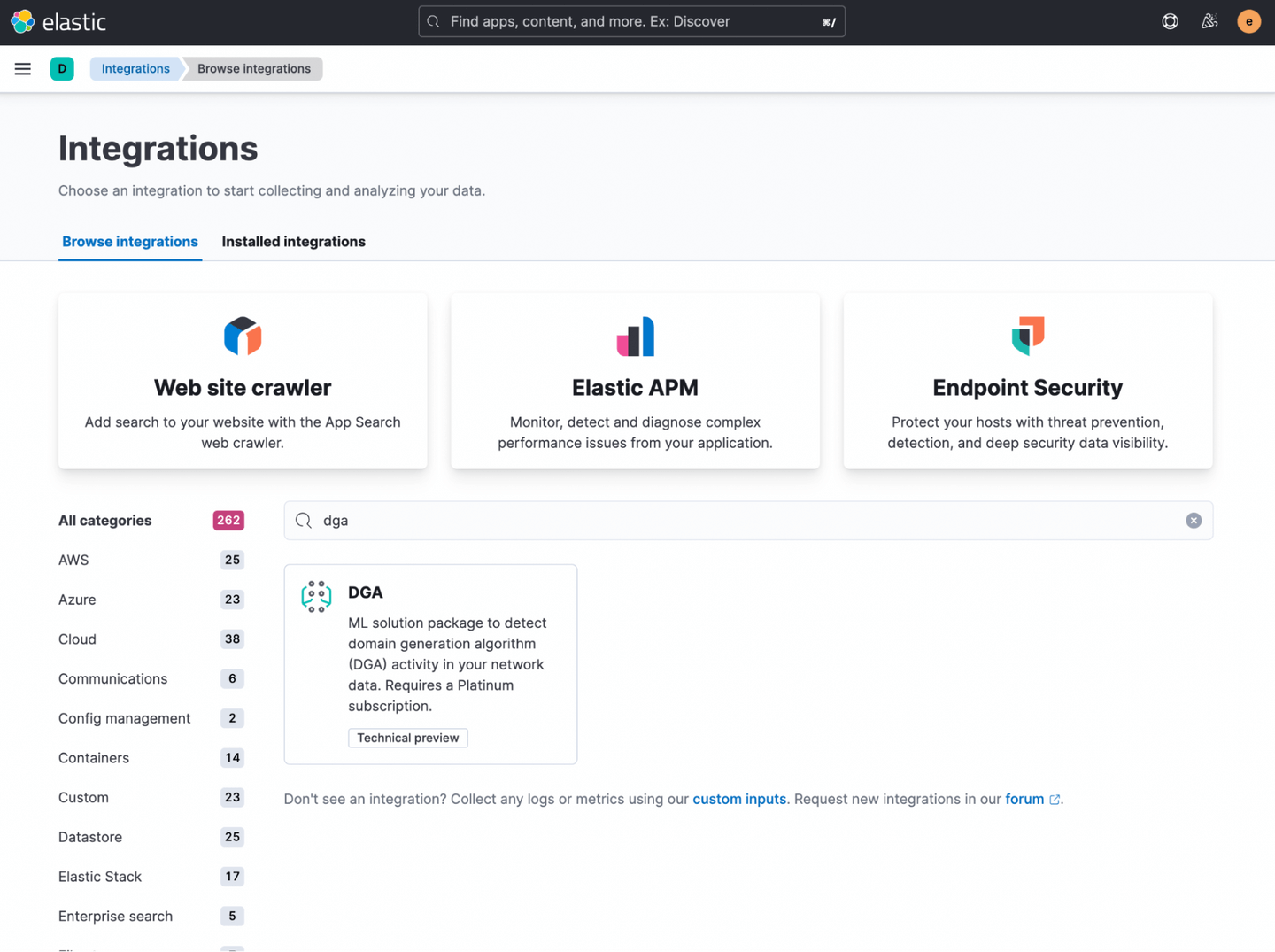
Elastic Kibana Adds One‑Click DGA Detection Package for SecOps
Elastic has released a new DGA detection package in Kibana’s Integrations app. The package installs a pre‑trained model, ingest pipelines, anomaly detection jobs, and rules in a single click, enabling defenders to spot malware using domain generation algorithms. SecOps teams should add the package, enable pipelines, and monitor alerts to block C2 traffic.
Read briefing
CrowdStrike’s SafeMind Turns Offense into Defense, Earns Forrester Wave Leader
CrowdStrike’s SafeMind platform turns offensive research into a real‑time shield. By feeding simulated adversary tactics straight back into Falcon’s detection engine, the closed‑loop system sharpens alerts, response playbooks, and patch prioritization. The model has earned CrowdStrike a top spot in the Forrester Wave for External Threat Intelligence Service Providers (Q3 2026), underscoring the growing trend of blending offense and defense to stay ahead of attackers.
Read briefing
Elastic Global Threat Report Reveals Trends and Guidance for SecOps
Elastic Security’s first Global Threat Report outlines the latest threat landscape, highlights emerging attack techniques, and offers actionable guidance for defenders. The report is built from anonymized telemetry and open detection artifacts, providing a transparent view of how Elastic’s security features perform in the field. SecOps teams can use the findings to fine‑tune detection rules, prioritize mitigations, and stay ahead of ransomware and in‑memory threats.
Read briefing